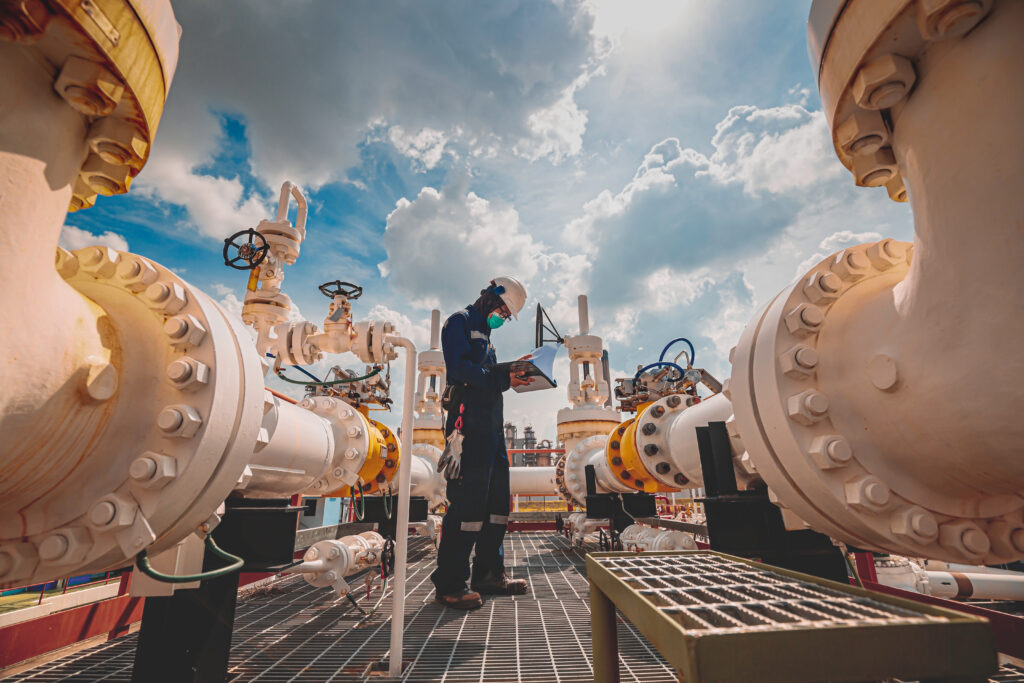
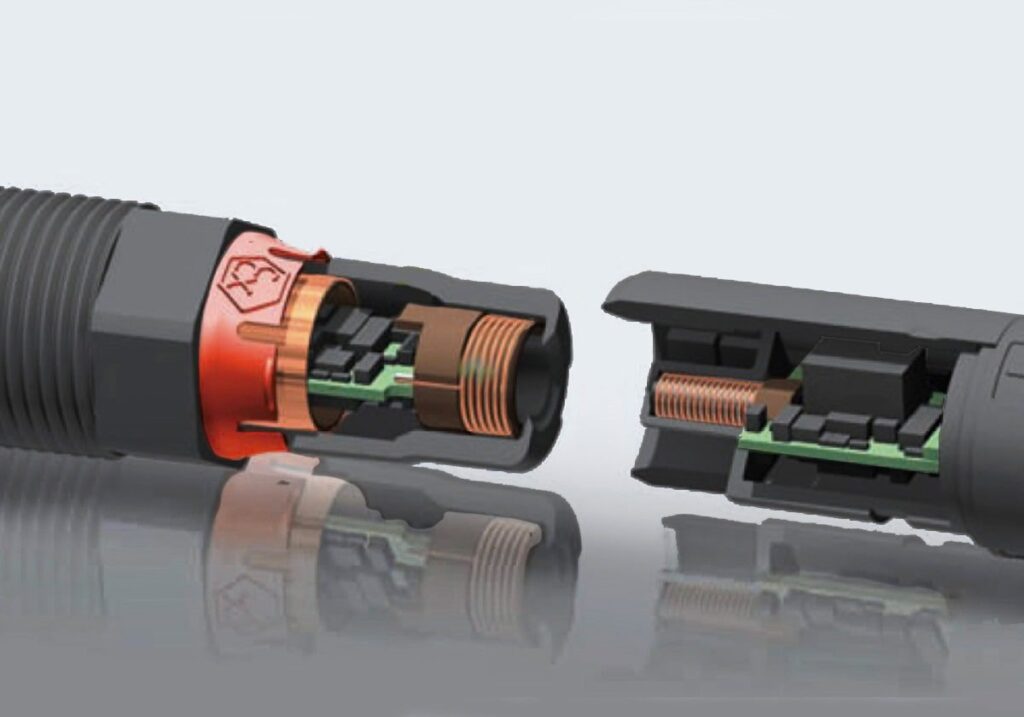
This blog poses the question, “What is the ideal measurement loop?”. We’ll discuss the similarities of the loop building process across industries, and how the differences in demands between industries will almost always yield different results for what an ideal loop actually is.
What makes a measurement loop ideal? The truth is, amongst all industrial processes, there is no “one size fits all” solution. That’s what makes working in the process industry so challenging. Two processes measuring similar ranges of pH and operating at similar temperatures may actually end up using entirely different solutions. A loop in a pharmaceutical plant requiring documentation and sterilization will look entirely different from a pulp stream needing coating resistance and easy access.
While the setups may be different, the factors to consider for them may actually share some similarities. So let’s break down ways we can determine what makes a measurement loop “ideal” for your process.
What Makes Up a Measurement Loop?
Before we begin, what do we mean when we say “loop”? Well, like we mentioned before, it looks different for every process. A complete loop can be as simple as a sensor and connection to a transmitter, but various other configurations, depending on process demands, may complete a loop as well.
- Sensor: The point of measurement
- Transmitter: Signal reading, integrity, and diagnostics
- Holder: Access, safety, and service
- Automated system: Automated cleaning and/or calibration of sensor
- Engineered Solution: Sample conditioning/other process-specific requirement
You’ll find many processes out in the field that implement each one of these components, while others may only require a basic sensor-transmitter connection. Either way, the demands of the application are what determine how “ideal” a loop is. For example:
Take a mining application that uses cyanide for leach extraction. The pH of that cyanide must be strictly controlled above a certain threshold to avoid the creation of deadly cyanide gas. Therefore, safety is an absolute priority. Rather than have maintenance techs perform manual calibrations at the measurement site, risking exposure, an automated cleaning and calibration system could be considered more ideal for that application.
Start With the Process, Not the Part
Another good question to ask is what factors shape the design of an ideal measurement loop? In any process, it’s never as simple as the price of the components. Rather, a whole list of factors should contribute to constructing the ideal loop for your process.
- Measurement parameter (pH, ORP, conductivity, dissolved oxygen)
- Temperature and pressure range
- Chemistry and fouling or coating tendency
- Required uptime and cost of a shutdown
- Who maintains the loop, and how often
- Hygienic or hazardous-area requirements/safety considerations
Two distinct operations can consider these same factors and yield entirely different results. What makes a manufacturer of the loop’s components successful is being able to adapt to those different results.
Build Your Ideal Loop Around Your Process
When building a loop, industrial plants don’t often have the privilege of letting price determine their setup. Making note of the common pitfalls of your process, where things go wrong and what goes right can help narrow the playing field for determining what your ideal loop actually looks like.
M4 Knick has problem-solving experience in a vast array of industries. Whether your loop needs a simple sensor and transmitter, automation, or an engineered solution like sample conditioning, we have the ability to solve your toughest challenges. If you’re in need of a new solution, reach out to one of our experts. We’re committed to making your life on the process line as painless as possible.