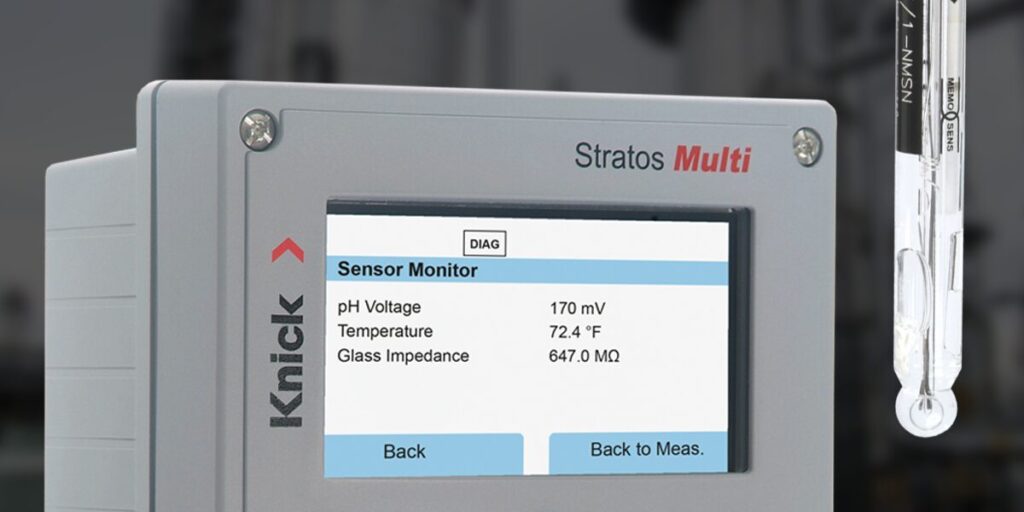
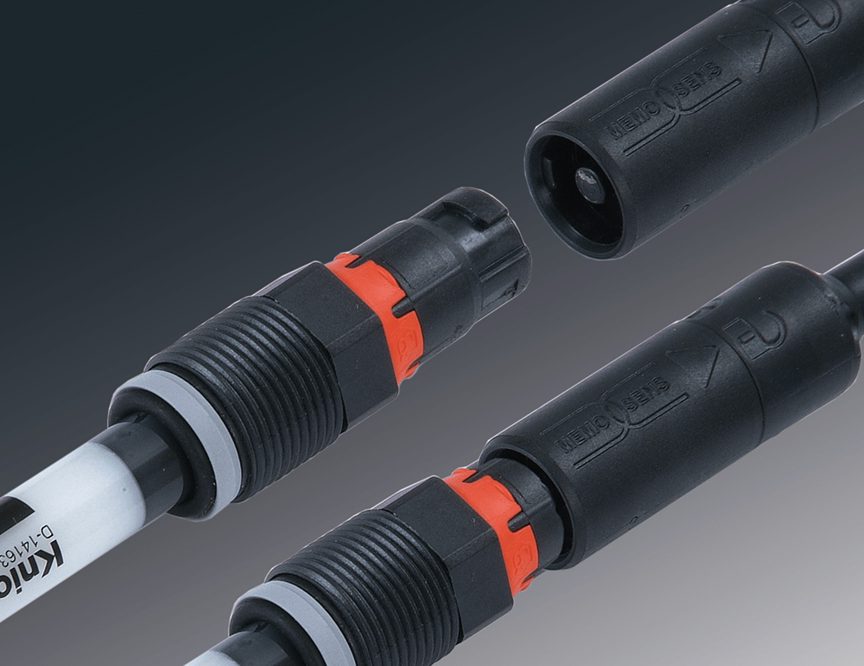
pH membranes come in various shapes and sizes with an abundance of unique characteristics. From their shape and bulbs, to the material of construction, there is a considerable amount of diversity to comb through when choosing a pH sensor. The most common iteration of a pH sensor found in the process industry, however, is the glass sensor. And even this aspect carries a range of versions. Yes, even the glass used to construct pH membranes and bulbs can vary.
Let’s examine what makes these glass recipes different, and how they perform in various processes.
pH Membrane Glass Types:
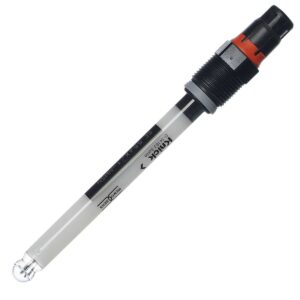
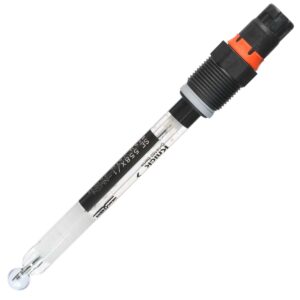
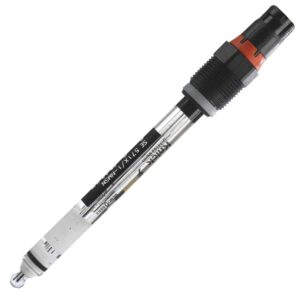
Alpha Glass: A common glass recipe used in less volatile environments and processes. This glass is suitable for use across the entire pH range at non-extreme temperatures (up to 275°F). You often find this type of glass sensor in municipal drinking water applications and general wastewater applications. Suitable in low ionic media with a very fast response time, the SE554, SE558, and SE571, are examples of Alpha glass sensors.
Omega Glass: Optimized for processes featuring sudden, large changes in temperature. This electrode is capable of producing consistent measurement values in hot alkaline solutions. This type of sensor is common in processes requiring sterilization, where fluctuating temperatures are standard. Maintaining accuracy across a wide range of pH and temperature, this iteration of membrane glass is versatile in various industrial applications. The SE555 is an Omega glass sensor that is suitable in a dynamic range of industrial applications.
Sigma Glass: Sigma glass typically has a lower electrical resistance than standard pH glass. This allows it to generate a measurable signal even in environments with limited ionic activity. Additionally, this glass is designed to address the unique challenges posed by measuring pH in samples like pure water, ultra-pure water, or solutions with very low ion concentrations. Due to its lower impedance, Sigma glass responds more quickly to pH changes in low-ionic-strength samples. The SE515 is a reliable, Sigma glass sensor designed to withstand plugging media, low temperatures, and be reliable in low-ionic media.
H-Glass: Designed for high-temperature pH measurements and optimized for basic ranges, H-glass minimizes alkali errors. These membranes often contain added temperature-resistant components to enhance thermal stability and reduce degradation at high temperatures. Chemical reactors, pulp stock bleaching, and other high-temperature industrial processes benefit from these temperature-resistant membranes. The PL H-93 H-glass pH sensor is ideal for high alkaline liquids and suspended solids in chemical, plastics, and pulp and paper production.
The Glass Matters
The glass used in pH sensors is critical for accurately measuring the hydrogen ion concentration of a solution. Various types of pH sensor glass are designed to optimize performance in different applications, environments, and sample types. The membrane, bulb, and diaphragm are all critical to maximizing accuracy. Choosing the right type of glass depends on your specific pH measurement needs. Consider the chemical composition of your samples, the temperature of the environment, and the required accuracy when choosing a pH sensor.