“This sensor has only been in service for an hour,” is something anybody familiar with pH measurements on the process line has likely said before. Maybe it just needs a fresh calibration. Or the process may have unexpectedly breached the temperature range. Or maybe the sensor is just downright unfit for the process. In any case, technicians face a bothersome and potentially costly hassle when sensors seem to fail the second they remove them from the box.
Though no sensor lasts forever, operations should not have to replace sensors faster than they can afford. In this blog we’ll take a look at some factors that may impact sensor longevity, while also examining some ways to prevent premature failures.
Trust Your Sensor Specifications
So how long should a pH sensor last? Well, it depends on the process. The first and easiest method of maximizing sensor lifespan is knowing your sensor’s specifications. For instance, a sensor with a temperature threshold of 170°F will certainly falter in more volatile applications like those found in the oil & gas and chemical industries, where temperatures can exceed 200°F. Temperature, pressure, and sensor junction style can all contribute to premature failure when teams place an improper sensor into service.
Know Your Application Behaviors
Keeping in mind factors like temperature and pressure, there are other application behaviors that should be noted when trying to avoid premature failures. When technicians fit a sensor into a housing or pipe, they should ensure that the sensor bulb remains submerged in the process media. A sensor may suit the process, but if the media drops below the bulb for too long, the sensor can dry out, negating its compatibility. This can directly lead to inaccuracies and may call for a replacement. A dehydrated sensor can be challenging (thought not impossible) to revive.
Stay Mindful of Routines
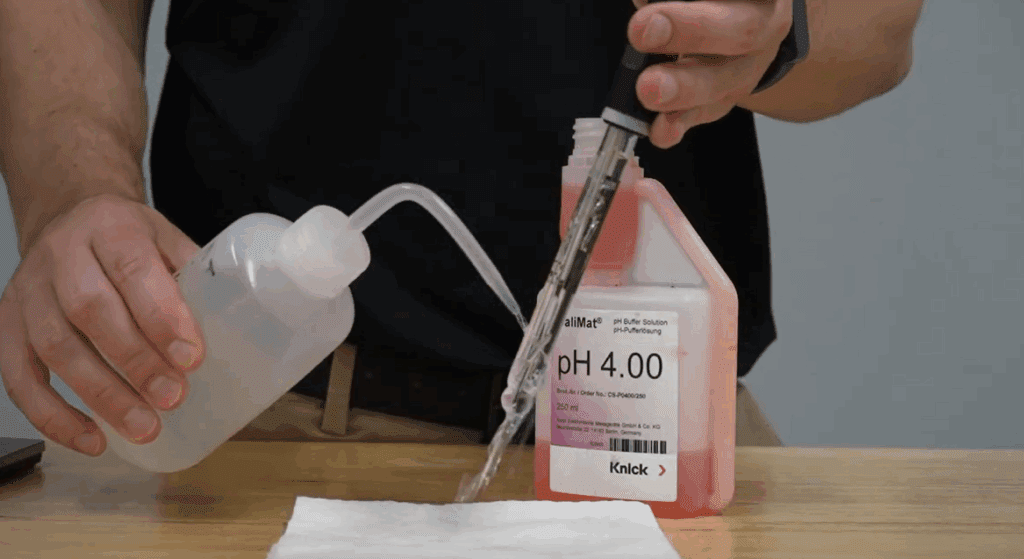
We’ve talked about calibration routines and storage mindfulness ad nauseam, but their importance can’t be overstated. One issue we see come up now and then is the subject of deionized water. While we recommend sensors be cleaned with DI water, it is crucial that they are not stored in deionized water. Storing sensors in DI water can cause detriment to the sensor’s ion-sensitive gel layer. A gel layer placed in DI water for too long will have its ions extracted and weakened, causing accuracy and response time issues.
Routinely utilizing the diagnostic capabilities provided by Memosens sensors and transmitters is another simple way to stay up to date on sensor health. If you do have sensor longevity issues, ensuring that basic parameters like your transmitter’s date and time are correct will provide more accurate and reliable data when analyzing replacement benchmarks. This also ensures the data related to sensor service time is accurate and in line with typical process behavior.
Reliability Begins with the Right Equipment
No sensor can last forever, and no two processes are the same. Where a sensor may last a year in one process, the same sensor may last a month in another. Process and sensor characteristics will be the determinant factor on how long a sensor truly lasts in service. The best place to start is knowing your process’s characteristics, and a true understanding of a sensor’s capabilities and specifications. If you’re looking for a better solution for your process, reach out to one of our experts. Schedule a training to see firsthand how M4 Knick’s solutions can deliver maximum accurate uptime to your operations.