In food & beverage production, manufacturers must maintain hygienic conditions that prevent contamination while also maximizing equipment uptime. Clean-in-place (CIP) cycles are a standard for maintaining these hygienic conditions, allowing operators to manage the cleaning of infrastructure without manually disassembling the process line.
A typical CIP sequence removes product residue, eliminates microorganisms, and prepares equipment for the next production run. The process comprises several stages, including an initial water rinse, an alkaline wash, an intermediate rinse, an acid wash when required, and a final rinse before production resumes.
Every additional rinse, false reading, or unexpected sensor failure extends cleaning time and delays production. Reliable conductivity measurement helps operators verify each cleaning step with confidence while keeping turnaround times short. In order to be reliable, sensors must combine hygienic design, chemical resistance, thermal durability, and long-term stability.
Reliability Where It Matters Most
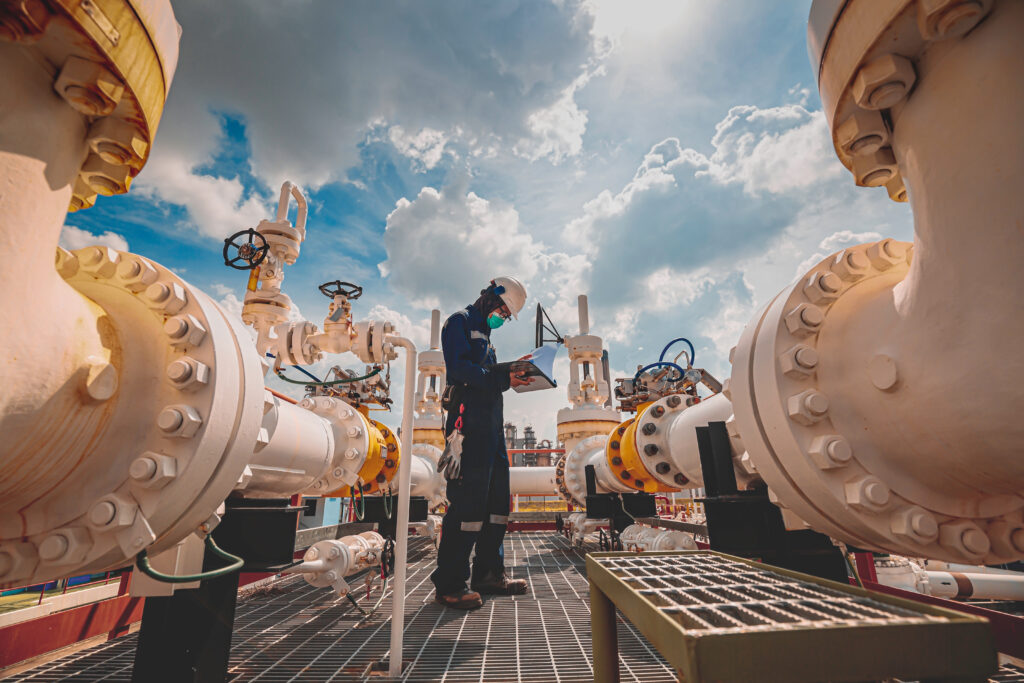
Every CIP cycle exposes sensors to rapid temperature changes, caustic chemicals, acids, and steam sterilization. These harsh conditions make long sensor life essential. An unreliable sensor that repeatedly drifts or needs to be replaced can lead to incomplete cleaning, excessive chemical usage, unnecessary water consumption, or production delays.
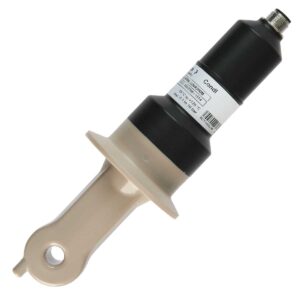
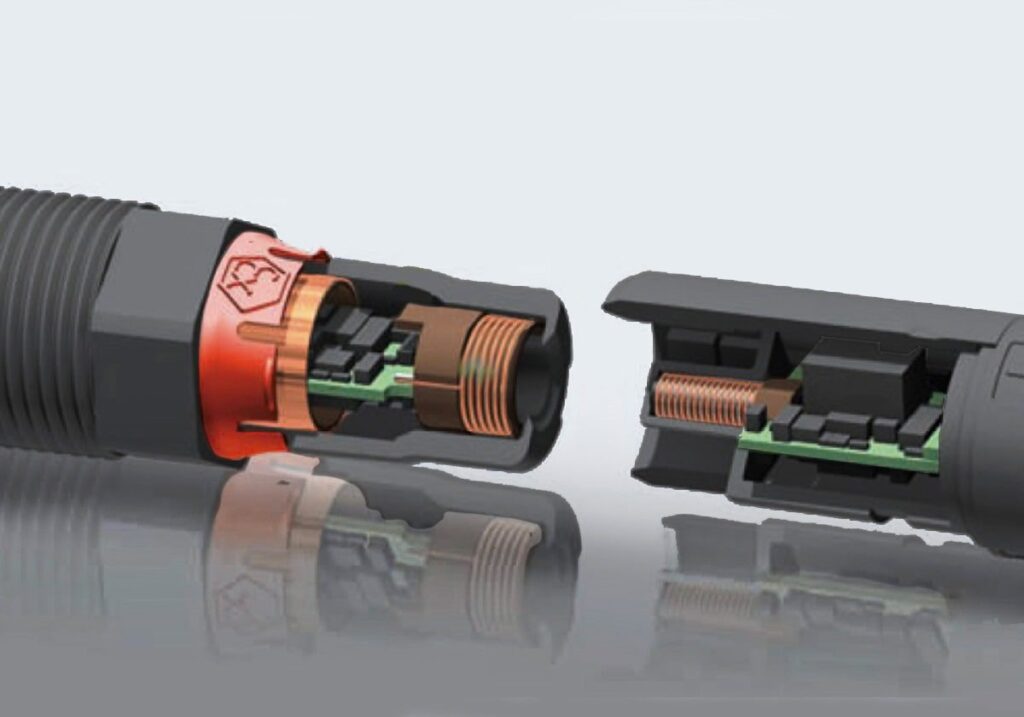
M4 Knick’s SE680 conductivity sensor was specifically designed to meet these demanding requirements. Its hygienic design makes it well suited for food and beverage applications where sanitary operation is critical. The sensor integrates easily into automated CIP systems while providing the stable conductivity measurements required for accurate chemical concentration monitoring. The SE680 incorporates automatic temperature compensation, ensuring conductivity readings accurately reflect chemical concentration instead of temperature fluctuations.
Constructed with FDA-approved PEEK material, the SE680 is available with a variety of hygienic process connections including tri-clamp and varivent connections. It is suitable for hazardous locations and carries cFMus Cl. 1 Div. 1, GP ABCD T3/T4/T6 certification.
Reliable Measurements Mean Reliable Cleaning
As manufacturers continue pursuing greater automation, improved product quality, and more sustainable operations, conductivity measurement remains one of the most valuable analytical tools within a CIP system. Designed for demanding CIP environments, the SE680 helps operators spend less time troubleshooting sensors and more time keeping production running. Consistent conductivity measurements in some of the industry’s harshest operating conditions help facilities reduce water usage, lower chemical consumption, improve cleaning verification, and maximize production uptime.
Explore our Food & Beverage solutions to learn how hygienic conductivity sensors help improve CIP performance, reduce maintenance, and maximize production uptime. We’re committed to providing our partners on the process line with the equipment and reliability their processes demand.