

pH Monitoring in Semiconductor Chemical Clarifiers

Monitoring pH in the influent, clarification, and effluent stages of water treatment is crucial to verifying that impurities are sufficiently removed.
How Does a pH Sensor Work?
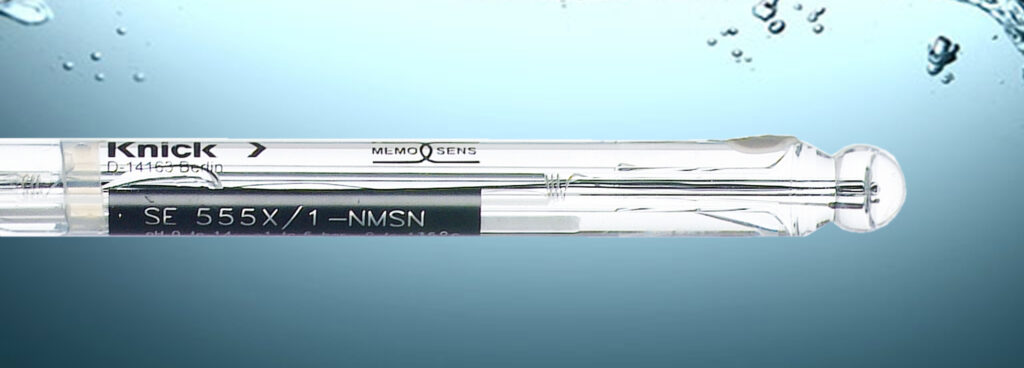
When most people think of pH measurement, they typically recall the litmus paper tests from elementary school…
2-point and 3-point Calibration Comparison for pH Measurements
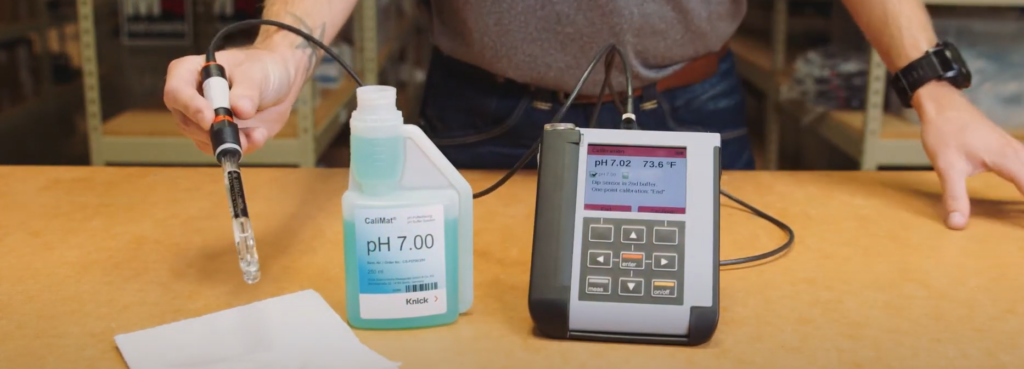
Understanding which method of calibration is better for your application is key to confirming accuracy.
pH & ORP Measurements in Chlor-alkali Electrolysis

Chlor-alkali electrolysis is an important industrial process that produces chlorine, sodium hydroxide, and hydrogen.
Permitted Outfall: Automating pH Measurements in the Pharma Industry

In a pharmaceutical plant, there are multiple steps in treating wastewater created during drug manufacturing.
Automatic Cleaning and Calibration Systems for pH Measurements

A primary reason for implementing an automated system is to reduce pH sensor usage and lessen the strain on maintenance budgets
Essential Industrial Wastewater Treatment Equipment
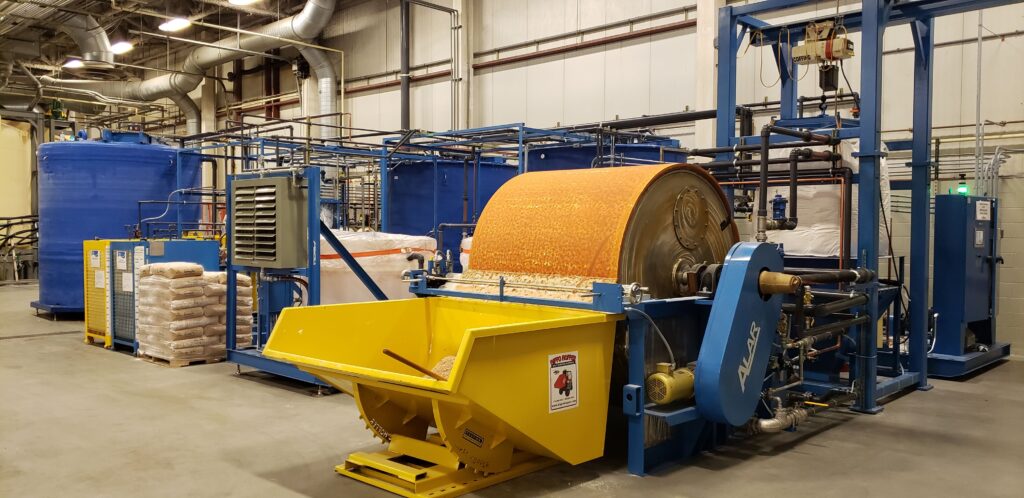
Compliance with effluent discharge regulations begins with responsible water management practices.
True Asset Management of Your pH, ORP, Conductivity, & Oxygen Sensors

Using digital technology with asset/data management software is the best way to truly manage and understand your liquid analysis sensors
Generate Secure pH Calibration Certificates
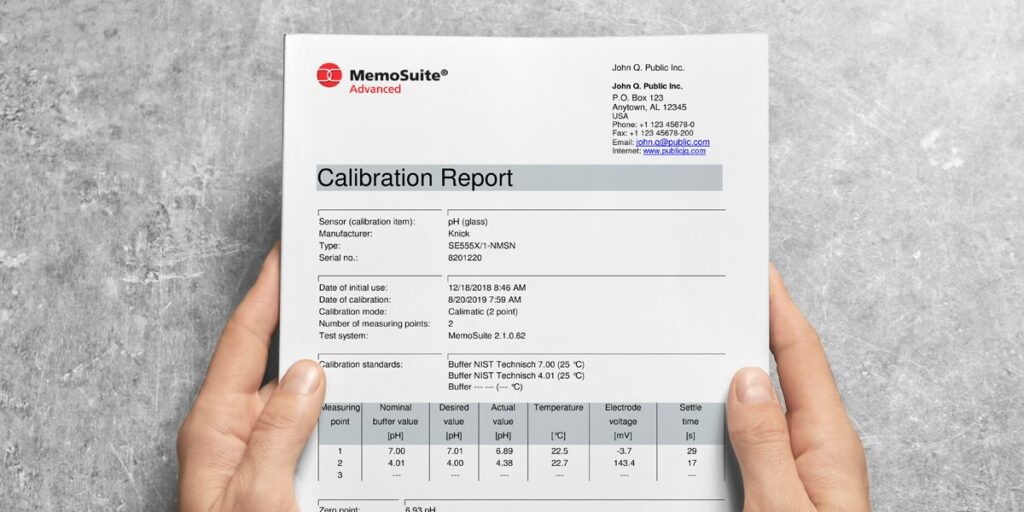
Documenting calibrations to ensure accuracy and compliance can be a timely and cumbersome task for many end-users
9 Is Better Than 10 – At Least When It Comes To pH Buffers
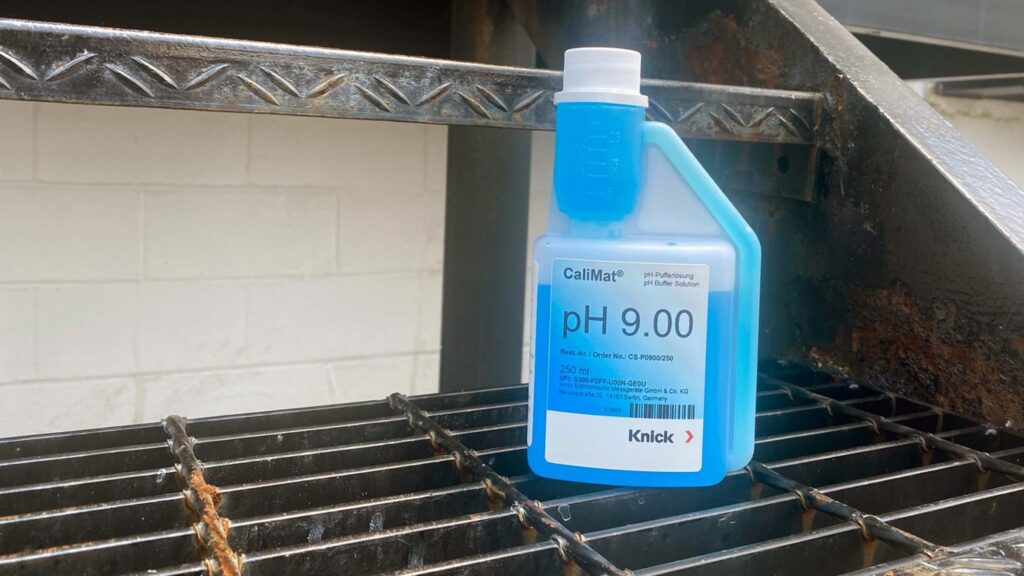
Buffers are aqueous solutions that maintain pH stability despite small additions of acids or bases.