Leaching in the mining industry is a chemical extraction process that separates valuable components like precious metals from solid materials using a liquid solvent. Leaching is crucial in maintaining the reactivity of solutions for effective extractions. However, operators must carefully control parameters like pH to avoid making the solution so aggressive that it damages equipment. Improper pH levels can also cause failure in the dissolution of impurities and prevent proper separation of precious metals.
Operators place mined materials and surrounding earth onto leaching pads. They then apply a solvent—either acidic or basic—to dissolve the target compounds. This reaction transfers the valuable components into a liquid phase for purification or recovery. Maintaining accurate, reliable pH measurement allows operators to run the leaching process efficiently, protect assets, and achieve consistent product quality.
Maintaining Process Integrity With pH
In leaching, pH defines the reaction environment. Therefore, it determines how aggressively the solution dissolves material, which metals are selectively extracted, and how stable the system remains during operation. Even slight pH deviations can have major consequences. Inaccurate or drifting sensors can lead to an abundance of troublesome, process-halting issues. Consequently, if the pH value is not in a proper range, an incomplete dissolution of target materials leads to lower process yield. Inaccurate chemical dosages based on inaccurate pH readings cause not only a misuse of materials but can also lead to risks like corrosion, unplanned reactions, and contaminated solutions.
Ideal Solutions for the Leaching Process
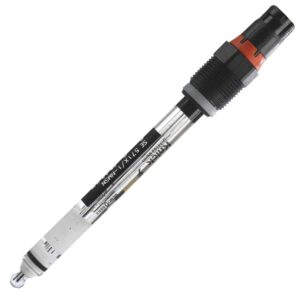
Addressing the challenges listed above begins with the right equipment. Operators look for durable sensors that reduce process downtime and cut back on maintenance. The SE571 pH sensor delivers long-lasting performance in tough leaching environments, handling high pressures, oils, suspended solids, and sulfides with ease. A PTFE ring junction insures a low risk for contamination or plugging of the reference system. Additionally, because leaching processes can cause drift due to chemical coating or scaling, regular calibration with reliable buffer solutions helps maintain data integrity. With M4 Knick’s Memosens technology, technicians can calibrate sensors offline under controlled conditions and quickly swap them in the field.
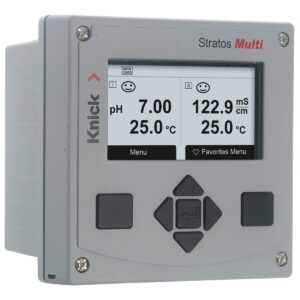
Sensor health and longevity are a priority in this process. An advanced diagnostics and predictive maintenance system is essential in these applications. This is one of the key features of Knick’s Stratos Multi transmitter, providing key updates on the health of Memosens sensors. The benefits of Memosens technology, paired with the robustness and accuracy of a sensor like the SE571 combine for a durable, reliable solution for leaching process applications.
Have questions about your process? Want tailored solutions or hands-on experience? Schedule a training with M4 Knick and connect directly with our experts.