SE 515 pH Sensor Product Highlight

This sensor is designed to withstand plugging media, low temperatures, and to maintain a reliable measurement in low-ionic media.

pH Sensor for Simple Water Applications

The SE515 Memosens pH sensor is ideal for use in water and wastewater treatment applications.

The sensor is designed to withstand plugging media, low temperatures, and to maintain a reliable measurement in low-ionic media. An integrated NTC 30K temperature element assures that all pH measurements are accurately compensated for the temperature of the process media. The low price of this sensor, along with the integration of Memosens technology, provide for a significant reduction in the overall cost of ownership.

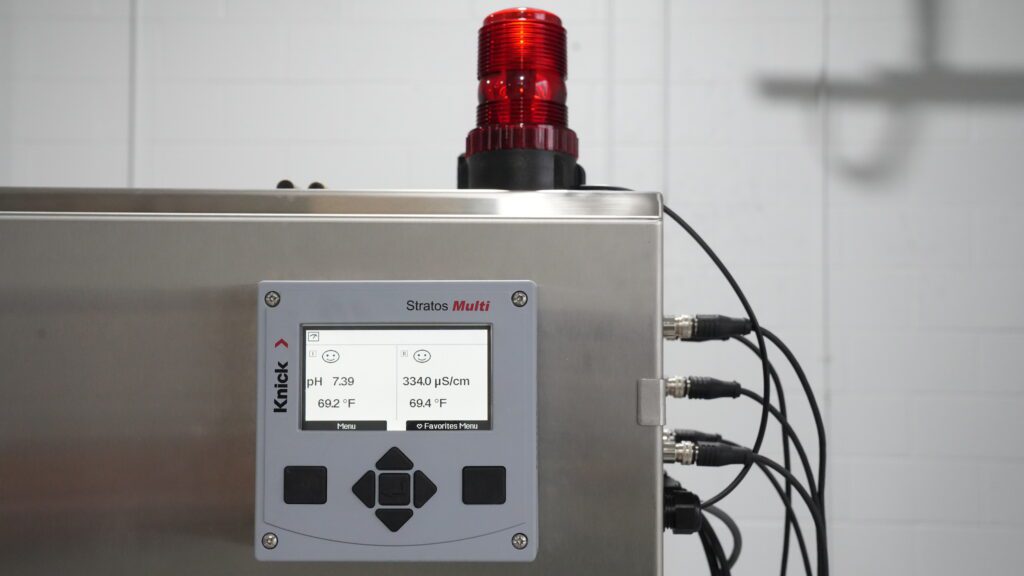
The SE 515 is suitable for use with any Memosens transmitter.  However, when paired with the MemoRail transmitter it provides for one of the lowest-priced digital pH measurement loops on the market.


QUICK SPECS

Range: 0 … 14 pH
Temperature: 23 … 176 ºF (-5 … 80 ºC)
Pressure: 0 … 58 psi (0 … 4 bar)
Sensor Material: Sigma glass
Diaphragm/Junction: Ground sleeve

TYPICAL APPLICATIONS

  • Raw water
  • Chlorine pretreatment
  • Coagulation optimization
  • Flocculation
  • Clarifier
  • Effluent monitoring

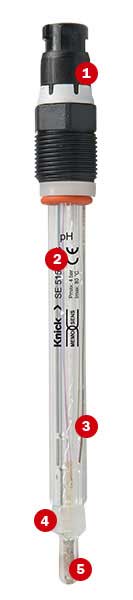
SE 515 pH Sensor Anatomy

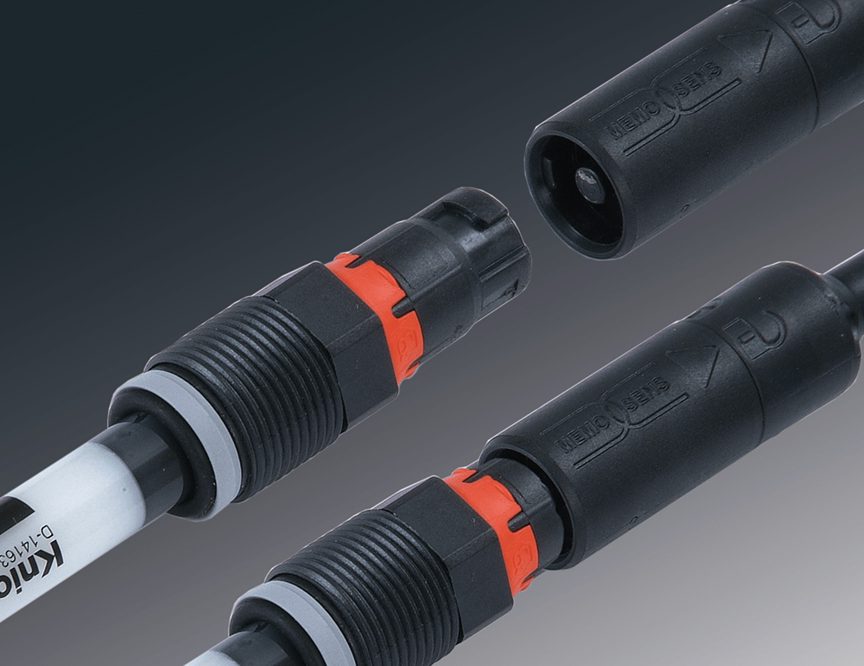
1 – SENSOR HEAD: Memosens Digital Sensing TechnologyMemosens sensors provide several benefits with regard to ease of use and reduction of operating costs:

  • Submersible inductive connection removes measurement influence from moisture and humidity that are commonly present in water and wastewater applications.
  • Galvanically isolated so there is no measurement influence from noise or ground loops. This is especially beneficial in open basins when using plastic holders.
  • Calibration and diagnostics can be performed in the shop or lab. This reduces field maintenance time and process downtime.
anatomy of se 515 ph sensor

2 – ELECTROLYTE: Gel

Gel electrolyte does not require refilling, making this sensor a low cost and low maintenance option for the water and wastewater markets.

3 – REFERENCE ELECTRODE: Ag/Ag Cl

4 – DIAPHRAGM/JUNCTION: Ground glass sleeve

Ground glass sleeve junctions provide a stable measurement in applications with suspended solids. The large surface area of the junction helps to prevent plugging caused by buildup on the sensor.

5 – SENSOR MATERIAL: Sigma glass

Sigma glass is a low-impedance, hydrogen sensitive glass
designed for use in applications requiring a fast response time
in both low temperature and low ionic environments
(> 50µS/cm).

Related posts

Maintaining Visibility in Steam Water Analysis Systems

Optimizing visibility in SWAS is crucial to ensure that measurements are not drifting outside of desired parameters.

Glass v. ISFET: Where It Matters

Choosing between a glass and an ISFET pH sensor depends largely on the mechanical demands and hygienic requirements of the process.

How Long Should a pH Sensor Last?

Though no sensor lasts forever, operations should not have to replace sensors faster than they can afford.
SE 515 pH Sensor Product Highlight