For maintenance teams in industrial manufacturing, few things are more frustrating than having to replace a sensor that’s only a few days or even hours into its service life. Sensors fail for plenty of reasons. What’s more frustrating is when a relatively new sensor appears to fail without an obvious explanation.
That’s the case with many sensors. And a lot of manufacturers might throw their hands in the air and say, “Well, it’s a volatile process. Nothing to be done.” It’s easy to write off premature failure as the cost of operating in a harsh process. But sometimes the process isn’t the only problem.
At M4 Knick, we believe in providing equipment that’s built to last so maintenance teams aren’t forced to run a 24-hour sensor service. To help avoid these frustrations, let’s examine four ways traditional sensors fail prematurely and how digital Memosens sensors can bypass these issues.
Field Calibration Complicates Troubleshooting
Calibrating traditional analog sensors commonly takes place right there at the measurement site. Technicians are out in the field, likely with a laundry list of services to perform while facing the elements, time constraints, and other duties to be concerned with. While these factors don’t necessarily damage the sensor, they can make consistent calibration and diagnosis more difficult.
Memosens sensors can be disconnected from the process and calibrated under controlled conditions in a maintenance shop or laboratory. Calibration information is stored within the sensor head, allowing a pre-calibrated sensor to be taken into the field and connected to the measurement point. This separates calibration work from installation work and can reduce the amount of time technicians spend servicing instrumentation at the process line.
Moisture Interference
If moisture reaches the electrical contacts of a traditional analog connection, it can create interference with the measurement signal. The result may appear to operators as measurement drift, instability, or sensor failure even when the sensing element itself still has usable life remaining.
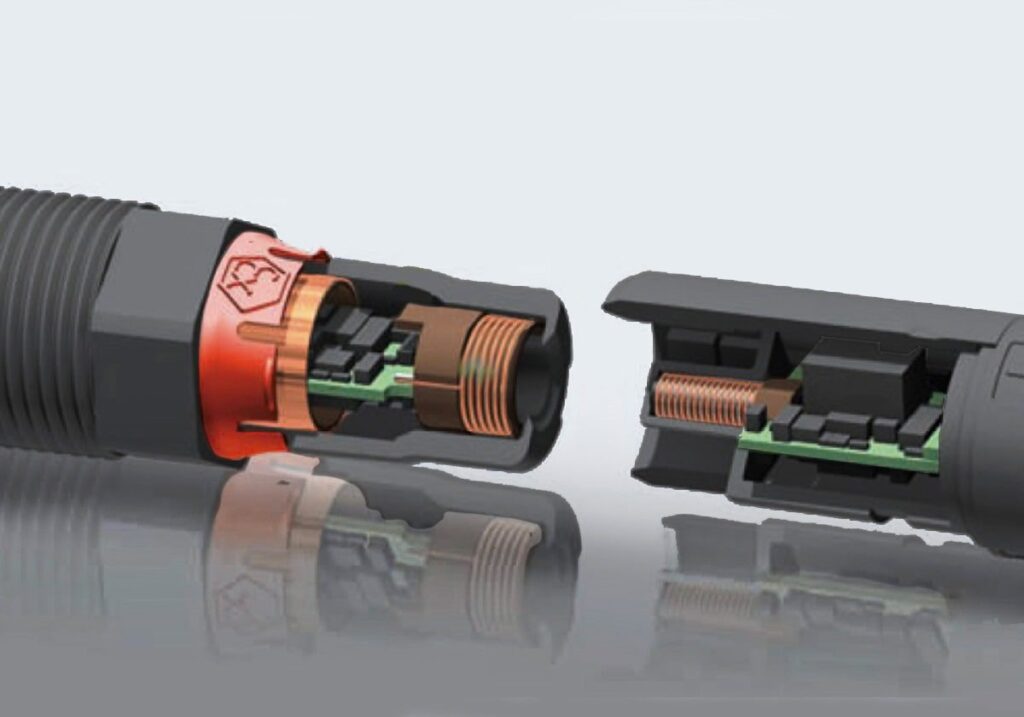
Knick Memosens sensors utilize an inductive connection. Critical measurement data passes through the connection without direct metal-to-metal electrical contact. Sensors are thus completely submersible, allowing the galvanically isolated connection to help protect measurement integrity in wet environments.
Ground Interference
Speaking of galvanic isolation, electrical potential differences between process equipment can introduce unwanted currents into traditional measurement systems. Troubleshooting these issues can become frustrating because what appears to be a failing pH or conductivity sensor may actually originate elsewhere in the installation.
The galvanic isolation within the Memosens connection helps separate the measurement from these unwanted electrical influences. This makes the measurement far less susceptible to interference from surrounding electrical noise, bolstering the integrity and reliability of measurements.
Lack of Real-Time Diagnostics
Without digital diagnostics, maintenance teams often rely more heavily on scheduled preventative maintenance and manual troubleshooting. Maintenance or replacements can often happen at the point of failure. This not only increases process downtime, but also threatens resource management and overall process efficiency.
Digital diagnostics provide more evidence for deciding whether to clean, calibrate, continue using, or replace a sensor rather than relying solely on a fixed replacement interval. This gives maintenance teams more information to support a predictive rather than strictly preventative approach, maximizing process uptime and helping to ensure sensors are being replaced at strategic intervals. Maintenance teams can schedule service around production, reducing unexpected downtime caused by instrument failures.
A More Reliable Approach to Sensor Maintenance
Memosens can’t prevent normal sensor aging, coating, or damage from the process itself. However, Memosens protects measurement integrity by eliminating several vulnerabilities associated with transmitting sensitive analog signals through harsh industrial environments.
Explore Memosens technology to see how digital sensors can simplify calibration, troubleshooting, and maintenance across your liquid analytical measurements.