This post covers four ways to reduce maintenance time in liquid analytics for pH, ORP, conductivity, and dissolved oxygen: predictive maintenance with Memosens sensors and real-time diagnostics, automated cleaning and calibration, standardized analytical equipment, and centralized sensor records with management software.
No matter how efficient a process may be, conducting maintenance is an unavoidable aspect of industrial manufacturing. Sensors become worn, holders get dirty, and things will inevitably need fixed or replaced. For most operations, excessive downtime means money lost. And it’s not always just about product; schedules get thrown off and other service needs can get delayed if maintenance downtime is really persistent. So what’s the solution?
Maintenance will always stop production now and then, but operations can do more to minimize that downtime than it might seem. So let’s examine four methods operations should consider to reduce maintenance time.
A Predictive Approach to Maintenance
Conducting maintenance on fixed intervals may seem efficient at first, but fails to account for the unpredictable nature of how quickly things can go south in a heavy process. A pH sensor in a hot caustic stream, or one exposed to frequent CIP or SIP cycles, ages much faster than one in neutral water at ambient temperature. When technicians calibrate every sensor on the same schedule, they service some sensors more often than needed while others fail before their next visit.
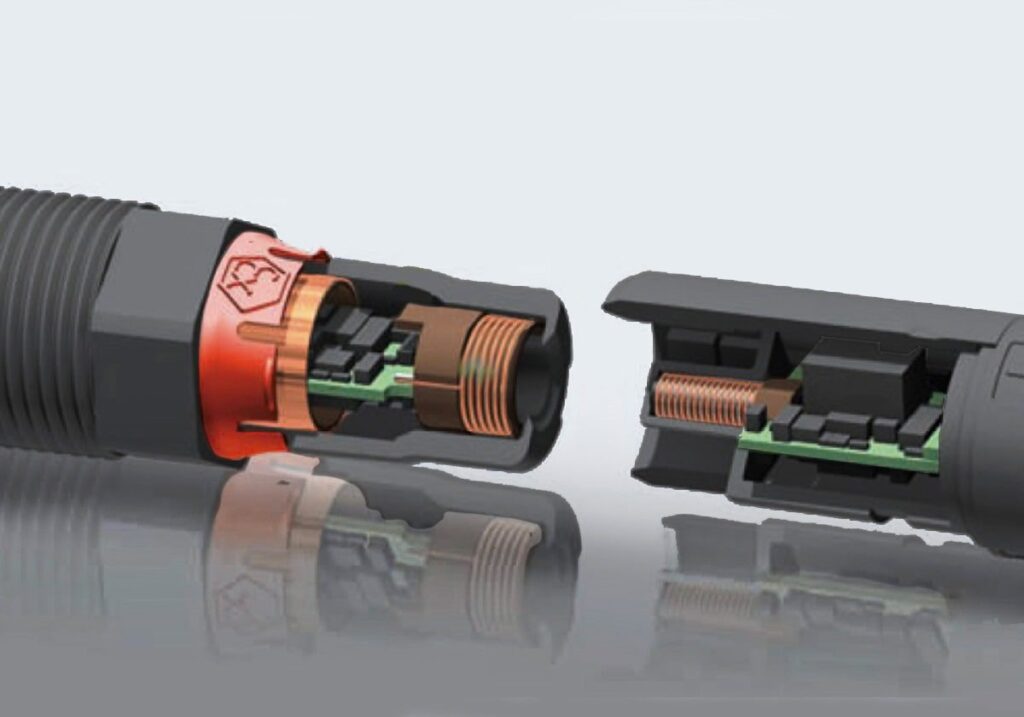
With Memosens sensors, the sensor’s history travels with it. Service history, wear, and the most recent calibrations performed are all accounted for when conducting maintenance. This brings a tailored approach to maintenance, empowering operations to perform service only when necessary, rather than conducting frequent manual checks.
Remote monitoring also vastly minimizes the need for maintenance teams to physically walk the line performing service checks. With access to real-time diagnostics, and custom alarm configurations, operations can have 24/7 insight into impending failures. These solutions help with the planning and execution of maintenance, saving time and enhancing efficiency.
Utilizing Automation
Manual field calibrations and sensor/holder cleanings are largely standard practice across industries. However, these necessary functions can also extend process downtime. Manual cleaning means pulling the sensor out of the process, and in some installations, that requires stopping a line or isolating a vessel.
Automated systems paired with retractable holders avoid that. They retract the sensor from the process into a rinse chamber, clean it with water or a cleaning solution, and return it to service. This can run on a set schedule or whenever diagnostics call for it, without interrupting the process.
The same systems can also run calibrations automatically. This removes a routine task from technicians’ workload while also ensuring every calibration is consistent. Time saved is largest at measuring points that are remote, hazardous, or hard to access, where each manual visit takes significant time and may require permits or extra safety steps. Retractable holders also protect the sensor from process conditions it doesn’t need to be exposed to, such as aggressive line cleaning cycles, which extends its service life.
Standardizing Analytical Equipment
For plants not already utilizing standardization, maintenance can often be tricky. While you’ll always find various types of equipment from many different manufacturers, standardizing where you can can help ease time spent on training teams to perform maintenance. For liquid analytics, in particular, sticking with one manufacturer for transmitters, holders, and sensors can keep crews on the same page when things go sideways.
Technicians who understand how a specific pH reference junction fails, what a diagnostic alarm actually means for that particular installation, or why a dissolved oxygen sensor needs polarization time after a power interruption make better decisions in the field. They spend less time on trial-and-error fixes. Written procedures for each measurement type, hands-on training when new equipment is installed, and refreshers when staff change help keep maintenance consistent.
Centralize Sensor Records With Management Software
Paper calibration logs and spreadsheets make it hard to know which sensor is installed where, when it was last calibrated, and how its performance has changed. Sensor management software like MemoSuite can help optimize calibration frequency, prioritizes maintenance using sensor diagnostics and match sensor technology to each application using proven-in-use data.
Centralized records also support decisions that reduce maintenance over the long term. Comparing sensor lifetimes across measuring points can reveal an installation with excessive fouling or a sensor type that doesn’t suit the application. In regulated industries like pharmaceutical and biotech, automatic, traceable calibration records also cut the time spent preparing documentation for audits.
Achieving Maximum Accurate Uptime
No matter your industry, minimizing downtime is a critical part of keeping your process efficient. If you’re struggling with excessive maintenance time, with the right equipment, planning, and organization, maximum accurate uptime may not be as far away as you think. If you’re curious about how M4 Knick can help optimize your process, reach out to one of our experts, and we’ll be ready to meet the challenge.