

Sample Conditioning: A Brief Overview
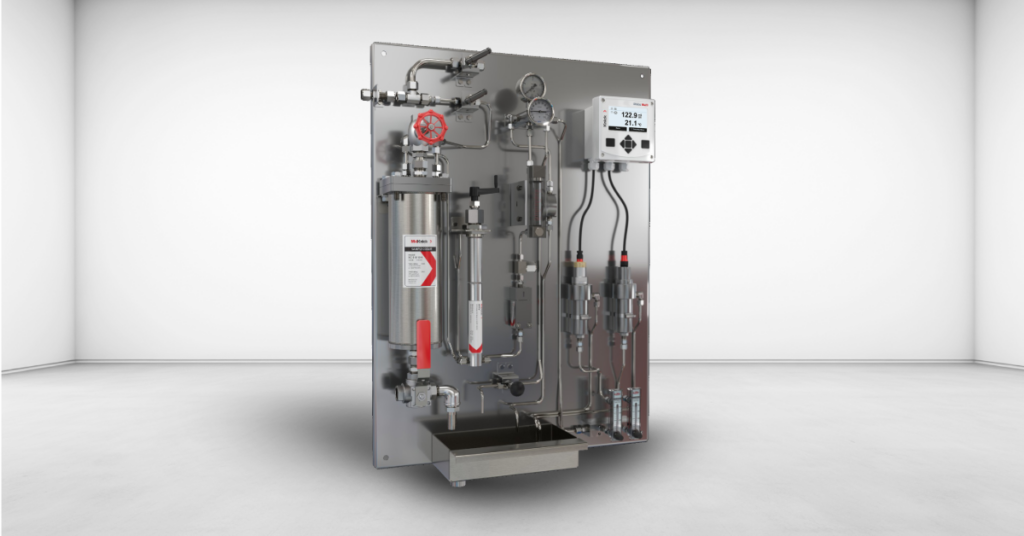
Sample conditioning is crucial in many industries where precise measurements are essential for process control, quality assurance, and safety compliance.
pH Measurement in Chromatography

Chromatography is a method in biophysical and pharmaceutical applications that enables the separation, identification, and purification of molecules in a mixture based on their different properties.
Conductivity Measurements in Water for Injection (WFI)
Conductivity measurements in WFI are essential for assessing purity, monitoring system performance, validating purification methods, and preventing microbial growth.
Bio-Fermentation in the Pharmaceutical Industry
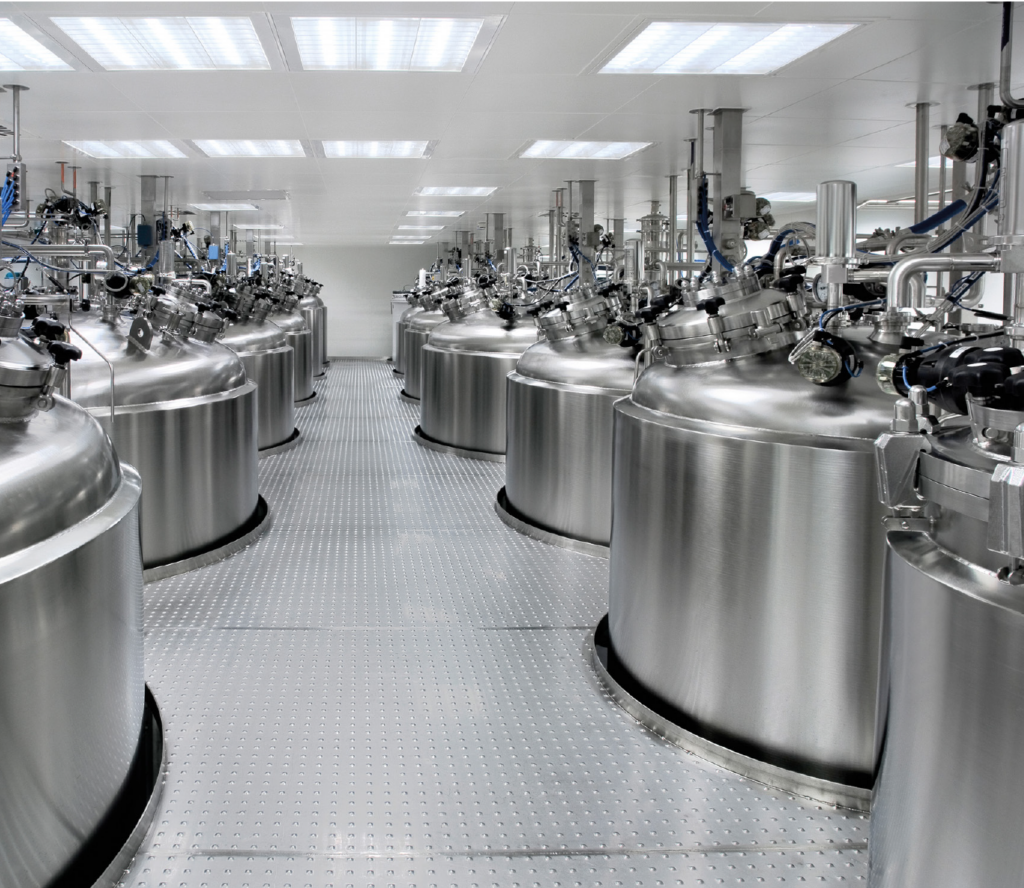
Fermentation, or ‘bio-fermentation’ in the pharmaceutical industry, refers to the process of harvesting pharmaceutical, therapeutic material from biologic material.
Conductivity in Drainage Systems
When recyclable water is drained or ran off from a process, conductivity measurements can act as a quality assessment before it moves on for treatment.
Polarization in Conductivity Sensors

There are a variety of factors that can hinder the accuracy of conductivity measurements in industrial applications — and not all of them stem from the process environment itself.
pH Control and Conductivity Monitoring in Water Electrolysis
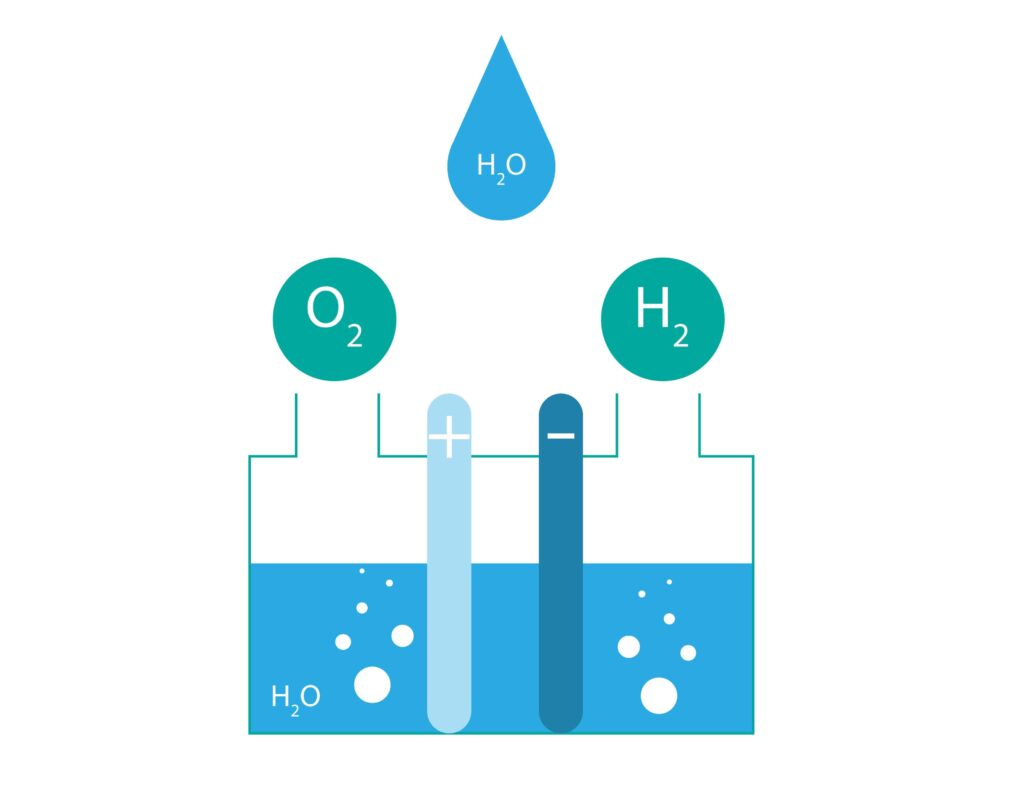
pH and conductivity measurements support water electrolysis efficiency at various stages of the process.
pH and Conductivity Monitoring in Nutrient Concentration for Hydroponic Systems
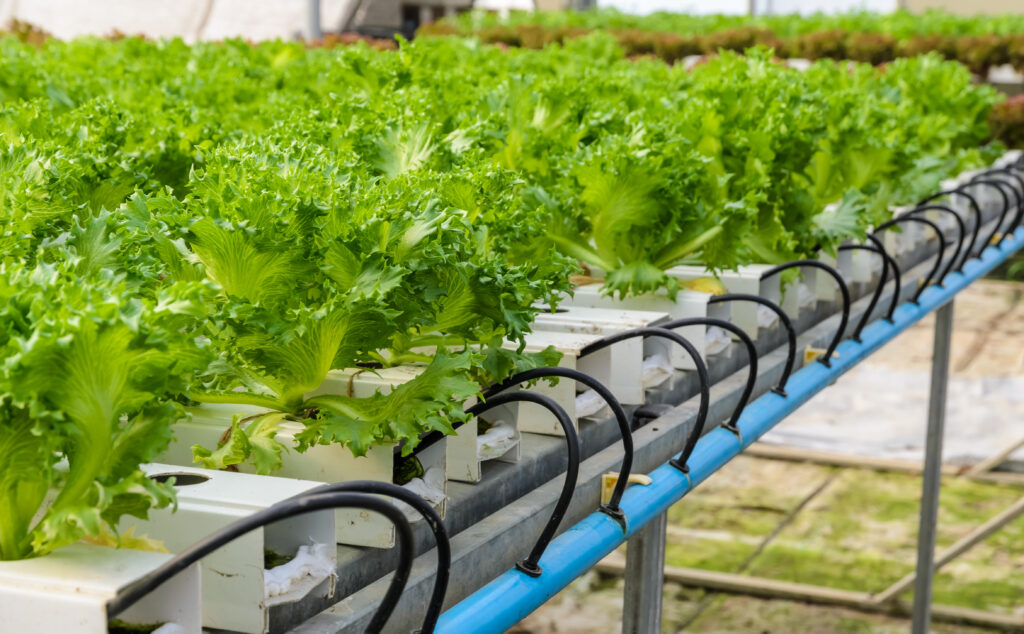
Researchers and farmers use conductivity and pH measurements to monitor concentrations of essential nutrients like nitrogen, phosphorus, and potassium.
Steam-Methane Reforming: Water & Steam Quality Monitoring
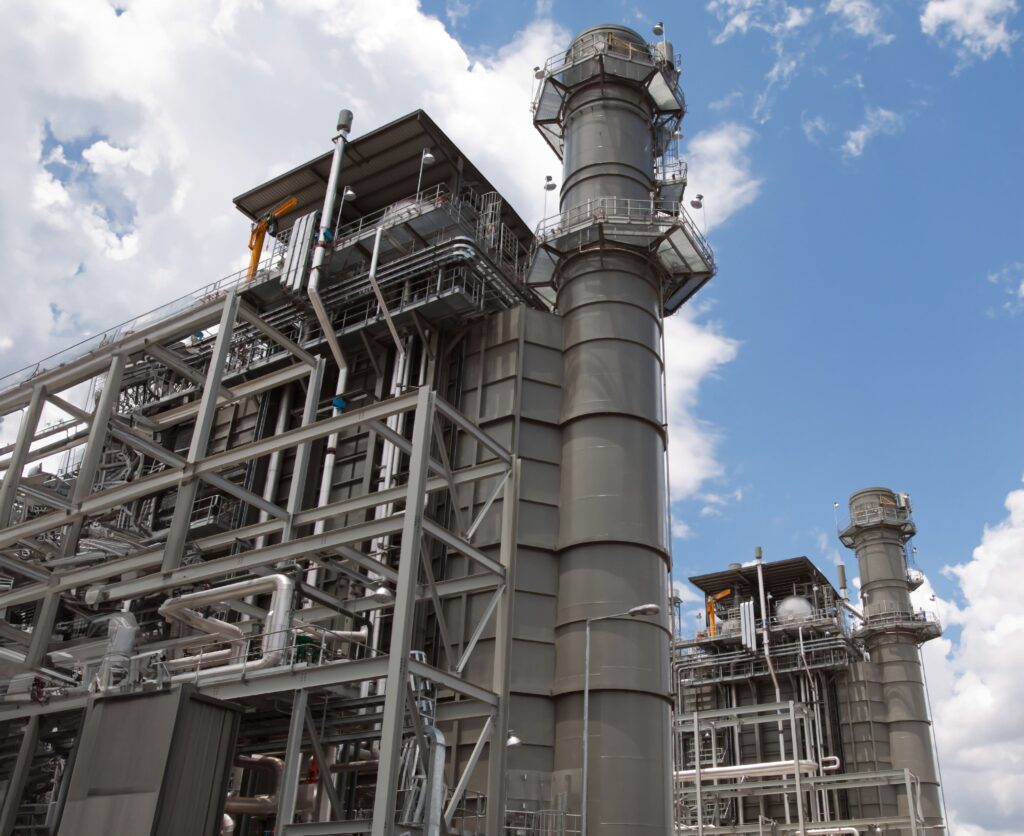
pH and conductivity measurements are crucial monitors of general water and steam quality throughout the Steam-Methane reforming process.
Liquor Monitoring and Control with Conductivity Measurements

Conductivity measurements are used throughout the Kraft process to monitor the variability of the liquors and process media.