When working on any industrial process line that requires liquid analysis, changing manufacturers is a big decision. From familiarity and ease of use to cost and availability, there is an abundance of factors at play that operations must consider before a switch can be made.
We know trusting a new manufacturer can be difficult. How can you determine whether a manufacturer truly believes they can make a positive difference in your process, or if they’re trying to make a sale? Does your operation actually improve, or are you just looking at a different logo when you install a new sensor?
These questions and more are vital when making a decision that can affect your process uptime, accuracy, and compliance. Memosens addresses all of these concerns and more. In this blog, we’re going to address five questions you should be asking before switching to Memosens technology.
What is Memosens?
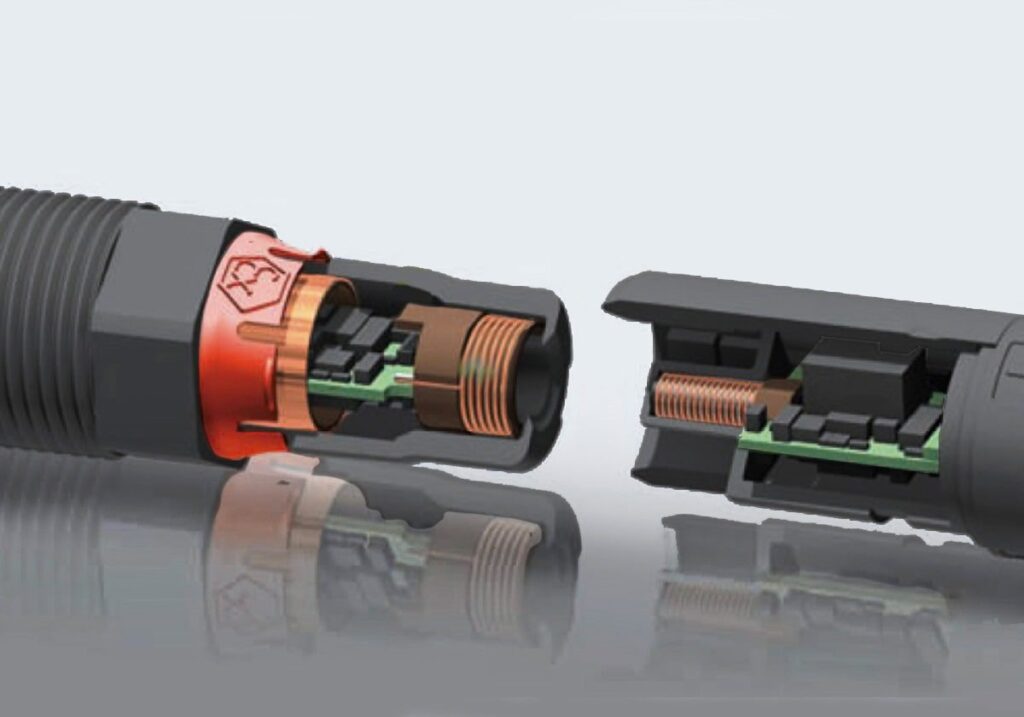
Starting with the obvious, if you’ve never heard of Memosens before, it’s likely the first question on your mind. Memosens® is a digital connection and communication protocol for analytical sensing technology. The connection is entirely submersible, making it essentially impervious to damage from moisture and wet environments. Sensing information is stored directly in the sensor head, maintaining calibration data and sensor status information even after it is pulled from the process.
Knick Memosens sensors make liquid analysis easier, safer, and more reliable.
Do I frequently perform calibrations in the field, and could off-line calibration improve consistency?
If your team is performing calibrations in the field every week, Memosens might be the solution you’re looking for. As previously stated, Memosens sensors store calibration data directly in the sensor head. That means calibrations can be performed safely away from the process line, stored, and remain ready for use when needed. This makes the transition to a new in-line sensor seamless.
How often are my current sensors failing, and what are the primary causes of those failures?
Durability is a key feature of Memosens sensors. Whether you measure pH, ORP, conductivity, or dissolved oxygen, Memosens sensors offer a wide variety of designs and construction materials. These options meet the needs of nearly any process. For instance, if your current sensors are failing from moisture ingress, Memosens connections are entirely submersible, meaning they’ll perform no matter how wet or submerged. Quality of construction paired with predictive diagnostic capabilities allows Memosens sensors to vastly outperform analog and other digital counterparts.
Would predictive diagnostics add value to my maintenance strategy?
An essential feature of Memosens sensors are the diagnostic capabilities. The Sensor Diagram programmed into Knick transmitters, for instance the Stratos Multi, provides several diagnostic values. Slope, Zero Point, Response Time, Cal Timer, Sensor Wear, and Glass Impedance are all available for real-time monitoring via the sensor diagram.
Traditional maintenance approaches often rely on fixed schedules or reactive interventions after failure, which can interrupt operations. Predictive maintenance uses data trends and analytics to anticipate when a sensor will fail or require recalibration, allowing maintenance teams to schedule at convenient times without disrupting workflows.
Would digital communication improve integration with my control system or asset management tools?
Digital Memosens sensors significantly simplify integration with control systems by converting analog signals into robust digital data at the sensor head. This allows not only the pH value to be transmitted, but additional metadata such as temperature, sensor status, calibration history, and diagnostic information. As a result, control systems gain a much richer dataset for process optimization and decision-making.
Get a Closer Look at Memosens
If Memosens technology sounds like the right solution for optimizing your process but you’re still not sure of how it’ll translate in the field, consider scheduling a training. Our headquarters in Cincinnati features a state of the art process analytics training system, so you can take a hands-on approach and witness how Memosens is designed to work in the field. Our experts are more than happy to visit your site as well, willing and able to demonstrate and teach your team about the benefits of Memosens technology.