Confidently Meeting Environmental Compliance Requirements — Wastewater pH, ORP, and dissolved oxygen monitoring
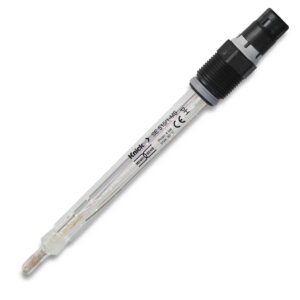
Depending on the feed entering the facility, the wastewater pH can have a wide range. Very low pH liquids can damage parts of the treatment system and potentially kill the good bacteria in the clarifier. Knowing in advance that low pH liquid is entering the process allows the operators to divert influent to protect the system. Because the SE555 pH electrode is designed for difficult industrial processes, it is a good choice for service where the pH can vary significantly and quick response time along with long service life are required.
ORP Monitoring
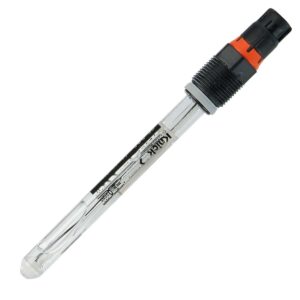
Measuring ORP in the clarifier is an excellent method of understanding if the system is in balance. It allows the “bugs” to respire efficiently. Keeping the ORP electrode submerged about ¼ the total depth of the clarifier provides the best indication of the system health. The SE565 ORP electrode uses the same robust design as our SE555 pH electrode which allows it to operate in very difficult applications.
Oxygen Monitoring
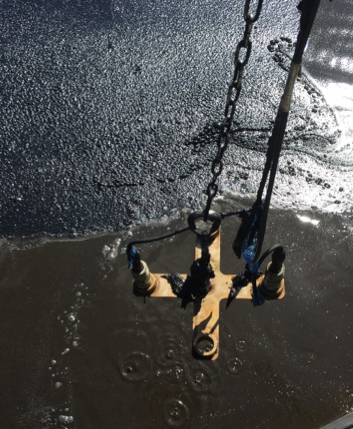
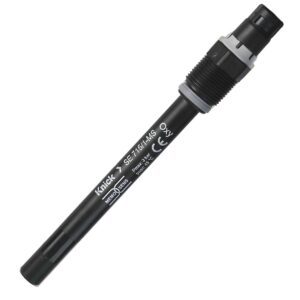
Knowing if aerobic microorganisms are getting enough oxygen to convert organic waste into inorganic compounds and reproduce is critical. Therefore, taking accurate dissolved oxygen monitoring readings is important. The SE715 digital dissolved oxygen sensor is ideal for submersible service.
All three of the sensors share 2 additional features in common, which is the Memosens® inductive connection and the ability to store the calibration in the sensor. Previously, customers had to install all sensor cables into a conduit or use potted cables to avoid liquid damaging the cable. This creates a lot of additional work to replace the sensors when there is maintenance needed such as field calibrations.
M4 Knick has designed a custom submersible sensor assembly. It allows the customer to quickly take up to four sensors out of service and replace them with minimum downtime. A swing arm connects to the submersible assembly. Customers can conveniently lift or submerge the sensor assembly into the clarifier to the correct depth.
What was this Customer’s Return on Investment?
- Reduced Maintenance Costs: Operators can calibrate M4 Knick Memosens smart digital sensors in the shop, then take them to the field. When plugged into the Stratos Evo/Pro transmitter, the sensor automatically shares its calibration data. This eliminates the need for calibrations in the field.
- Time Savings and More Accurate Measurement: Technicians can lower the pH, ORP, and DO sensors 2 feet below the water surface because of the Memosens inductive connections. This provides a better representative measurement compared to using rigid conduit or slipstreams. This significantly saves time, when maintenance to the system is needed. Increased reliability of the sensors has also allowed the customer to put the system into automatic control. This was not possible before and has eliminated shutdowns due to process upsets.