Primary, secondary, and tertiary treatment are the three main stages used in water and wastewater treatment to remove and improve water quality. Each stage builds on the previous one, moving from simple physical separation to complex biological and chemical processes.
Throughout all stages, monitoring parameters like pH and dissolved oxygen (DO) is essential. These parameters directly influence system performance, treatment efficiency, and regulatory compliance.
Distinguishing Primary, Secondary, and Tertiary Water Treatment
Primary: This stage of treatment mainly focuses on the removal of large solids and suspended materials that require physical separation. Operators use chemically-based monitoring systems and measurements minimally at this stage. However, they can still use them as a reference when transitioning into secondary treatment.
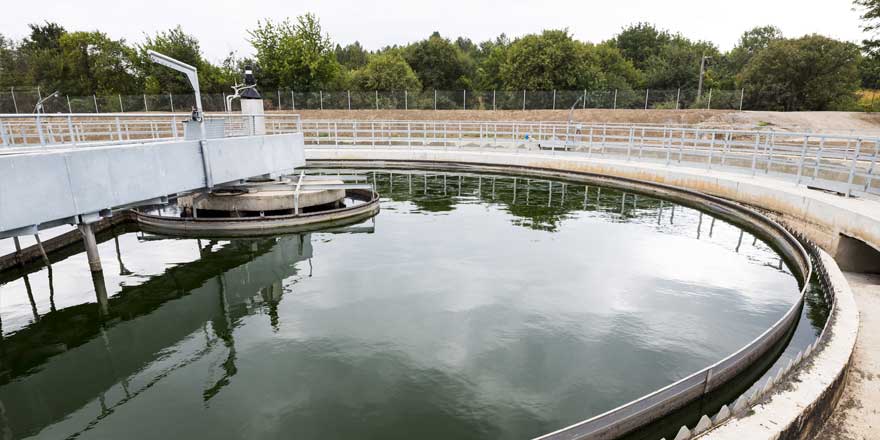
Secondary: This phase introduces biological processes to remove dissolved and biodegradable organic matter. pH and DO become much more critical because microorganisms are highly sensitive to changes in their environment. Oxygen is especially critical in this stage to maintain a livable environment for microorganisms. Aeration tanks supply oxygen to support aerobic bacteria, which break down waste into simpler substances. After biological treatment, the mixture flows into secondary clarifiers where biomass settles out, leaving treated water above.
Tertiary: The final stage, which aims to remove remaining contaminants to meet strict discharge or reuse standards. This stage may include filtration, nutrient removal, disinfection, and other advanced processes. The goal is to produce high-quality effluent that is safe for release into the environment or for reuse in applications such as irrigation or industrial processes. Maintaining the correct pH is therefore essential for both treatment effectiveness and compliance with environmental regulations.
Solutions for pH and Dissolved Oxygen Measurements
Overall, pH and dissolved oxygen measurements are fundamental to the success of all three treatment stages. Maintaining the integrity of treatment infrastructure and micro-organic environments demands robust, durable, and accurate sensors. We have worked to simplify their installation.
The Entry Level Loop or ELL, is a cost-effective, pre-assembled measurement loop to simplify the installation and deployment of basic industrial applications for pH, ORP, conductivity, and dissolved oxygen. The ELL utilizes digital Memosens sensing technology and simplified installation and materials to provide advanced sensor diagnostics and data for measurement maintenance. For water treatment applications, you can incorporate either of the following sensors into the ELL:
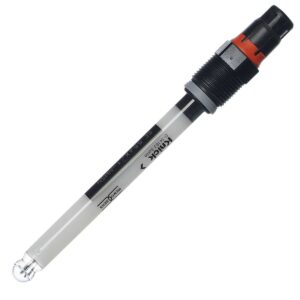
The Knick SE554 pH sensor is particularly well suited for use across primary, secondary, and tertiary water treatment. This sensor is specifically engineered for applications with suspended solids, which occur in each stage of the water treatment process. This low-maintenance sensor uses Alpha pH glass, two open hole junctions, and a solid polymer electrolyte with a high KCl concentration. These features provide stable performance and long life in the most demanding applications.
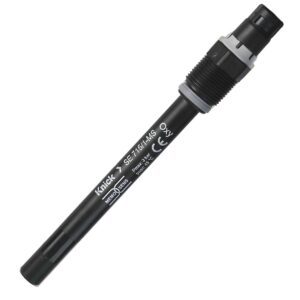
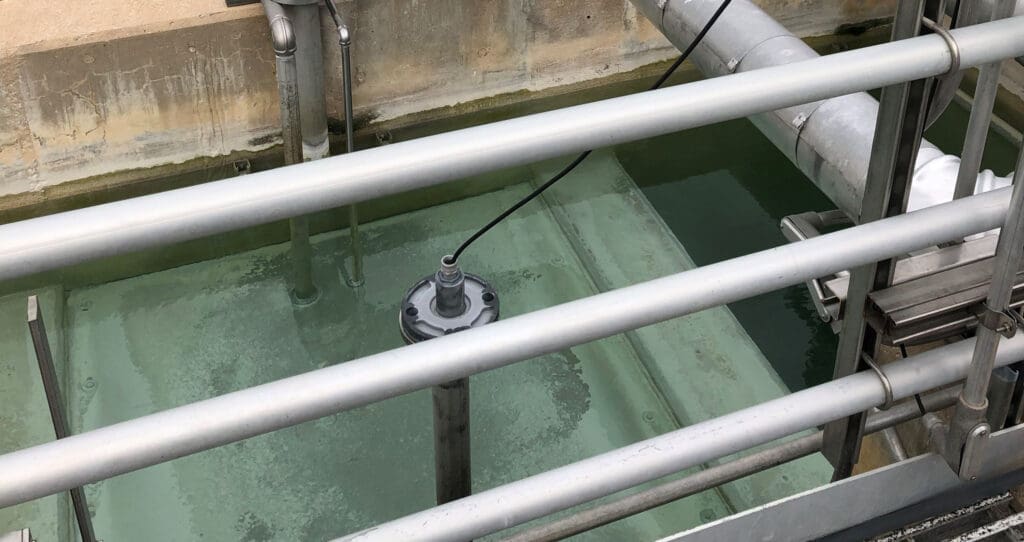
The SE715 is an ideal oxygen sensor for water and wastewater treatment applications. The SE715 fits this application in part because it uses a digital amperometric (Clark-style) design to measure dissolved oxygen in aqueous media, including wastewater environments. This makes it directly applicable to aeration basins, clarifiers, and effluent monitoring—areas where DO control is essential for biological and environmental performance.
Wastewater environments can be harsh, with fouling, biofilm formation, and solids accumulation. The SE715 is designed for low maintenance and easy servicing, including a replaceable membrane system, which reduces downtime and operational costs.
Solving Problems With M4 Knick
Water treatment applications are one of the driving forces of M4 Knick’s engineered solutions. No matter how chemically complex, dirty, or restrictive the application is, we are confident we can find the best path for your operation. All of our solutions are engineered to help you achieve maximum accurate uptime. If your process could benefit from Memosens technology or you have questions about any of our sensors, holders, transmitters, or systems, reach out to one of our experts. We want to make your measurements as painless and accurate as possible.