
Introducing CondCheck for the SE605H Conductivity Sensor
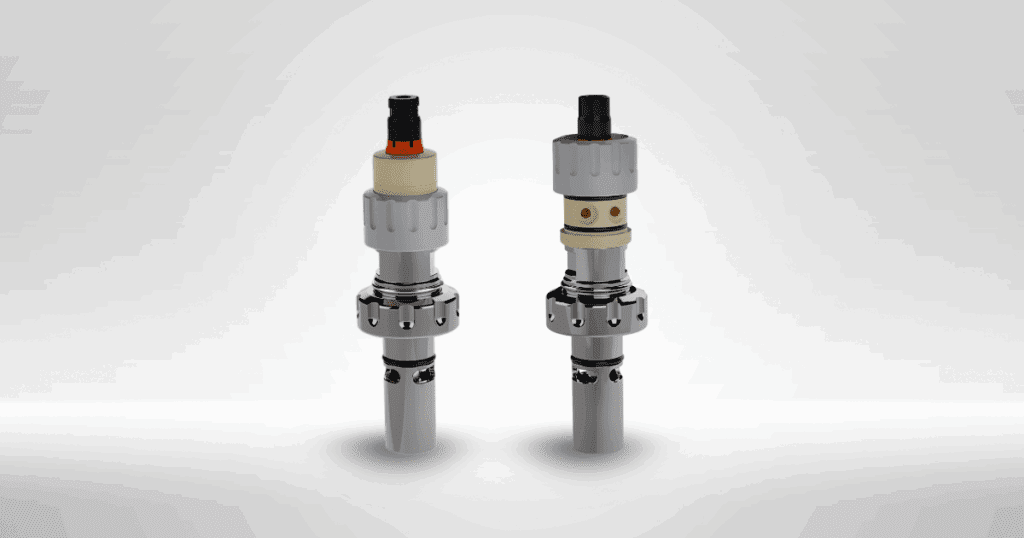
The trusted SE605H Conductivity Sensor from Knick—already proven in pharmaceutical and biotech applications—now features the optional CondCheck verification function.
The Essential pH Calibration Checklist
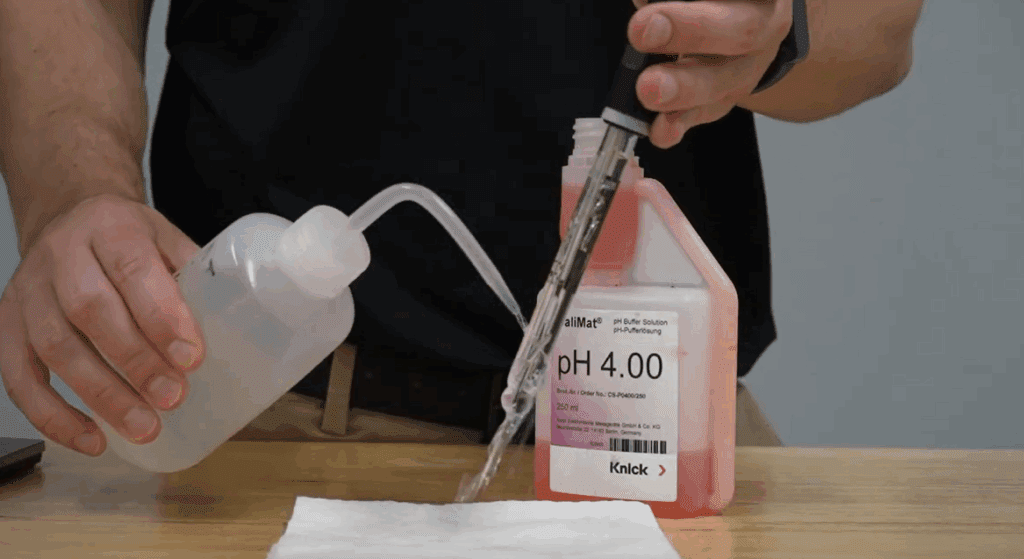
Accurate pH readings are critical in any manufacturing process, and it all starts with a properly calibrated sensor.
Automating Buffer Preparation for the Pharmaceutical Industry
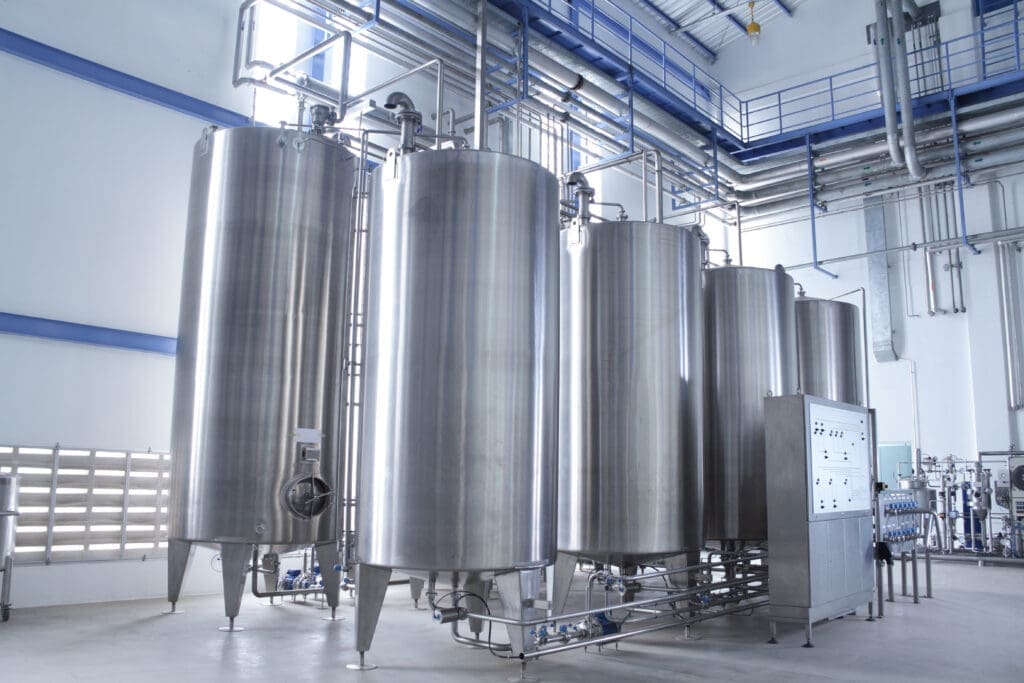
As with any bio-tech process, the margin for error in buffer preparation is scarce. Improper pH levels can dilute the extracted molecule and decrease process yield.
Understanding the Relationship Between pH and Conductivity
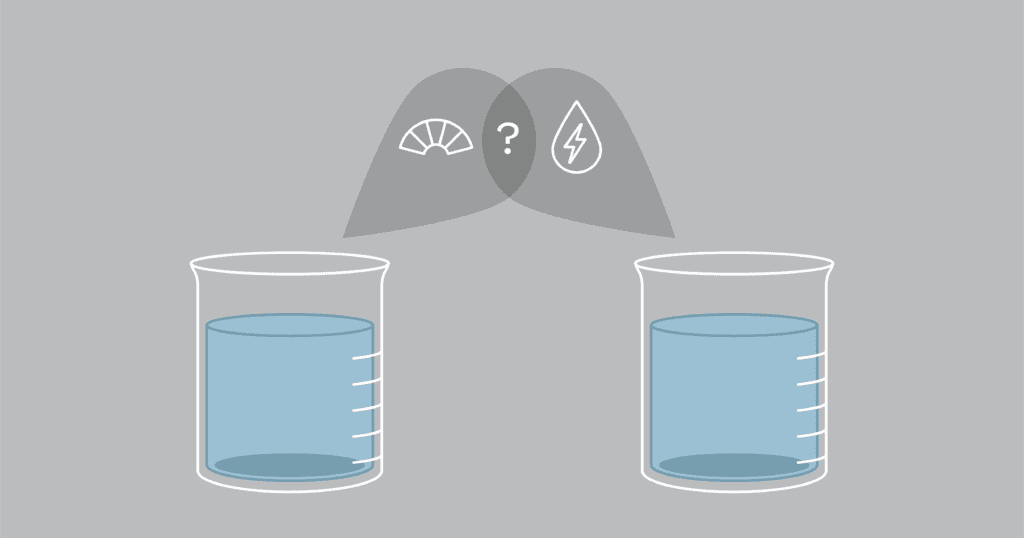
Though the two parameters do not inherently influence each other, their correlation arises from the influence of free-flowing ions on both.
Moving From Preventative to Predictive Maintenance for Your Industrial Instrumentation
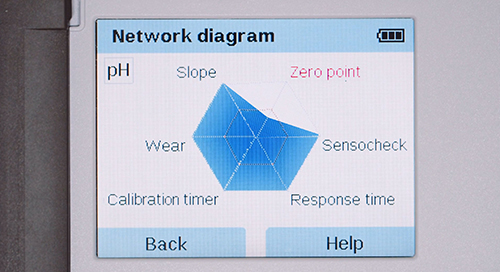
Utilizing smart digital technology to implement predictive maintenance can ensure your process integrity is maintained and further optimize the division of labor within your facility.
Five Things to Avoid When Calibrating a pH Sensor
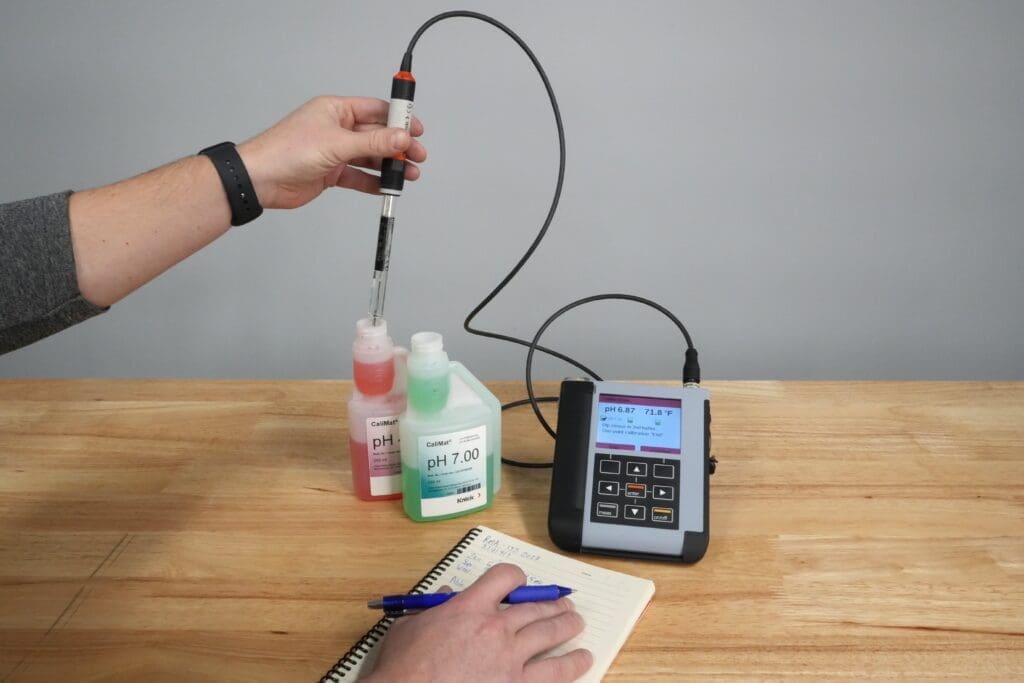
During the calibration procedure, there are several key moments that require careful consideration to ensure you maintain the utmost accuracy.
Characterizing pH Membrane Glass Types
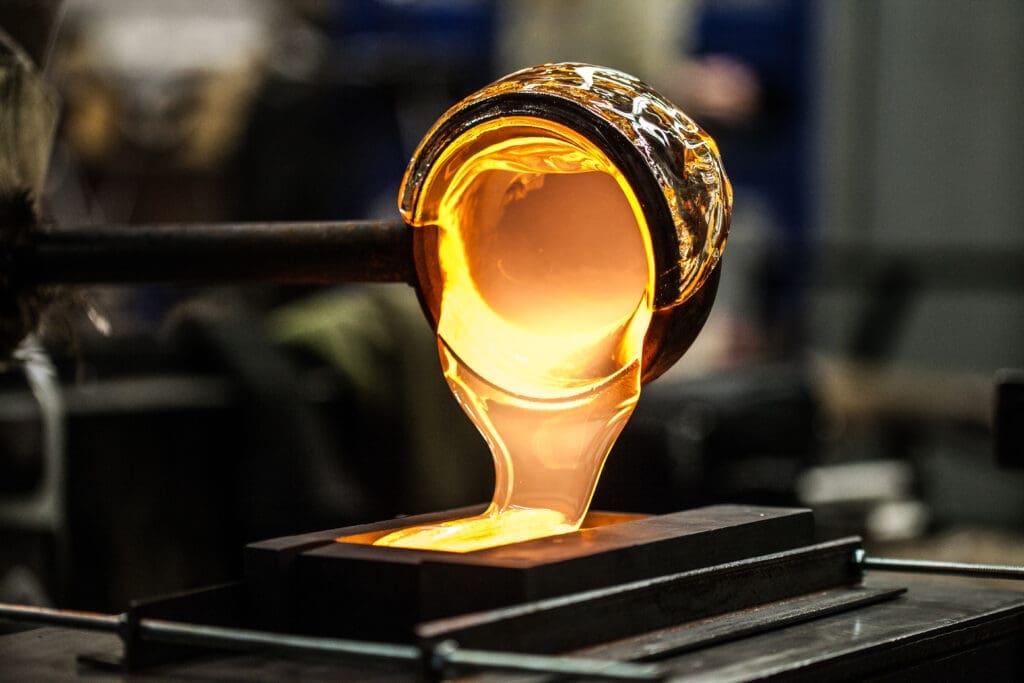
Various types of pH sensor glass are designed to optimize performance in different applications, environments, and sample types.
Monitoring pH & Conductivity in Wafer Polishing
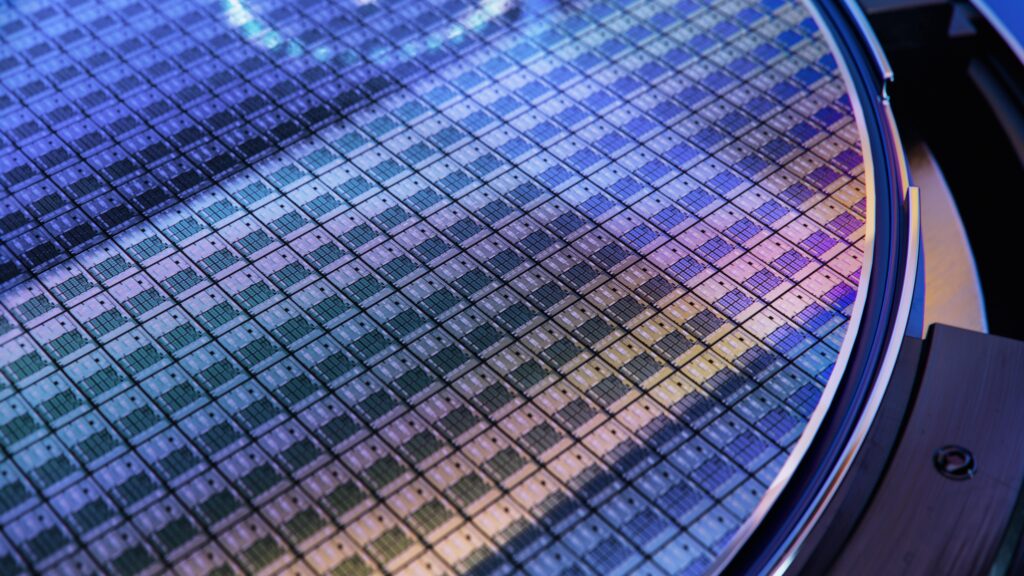
Maintaining stable pH and conductivity values is critical in the semiconductor industry, particularly in wafer polishing.
Pesticide Production: Enhancing Personnel Safety Through Automation
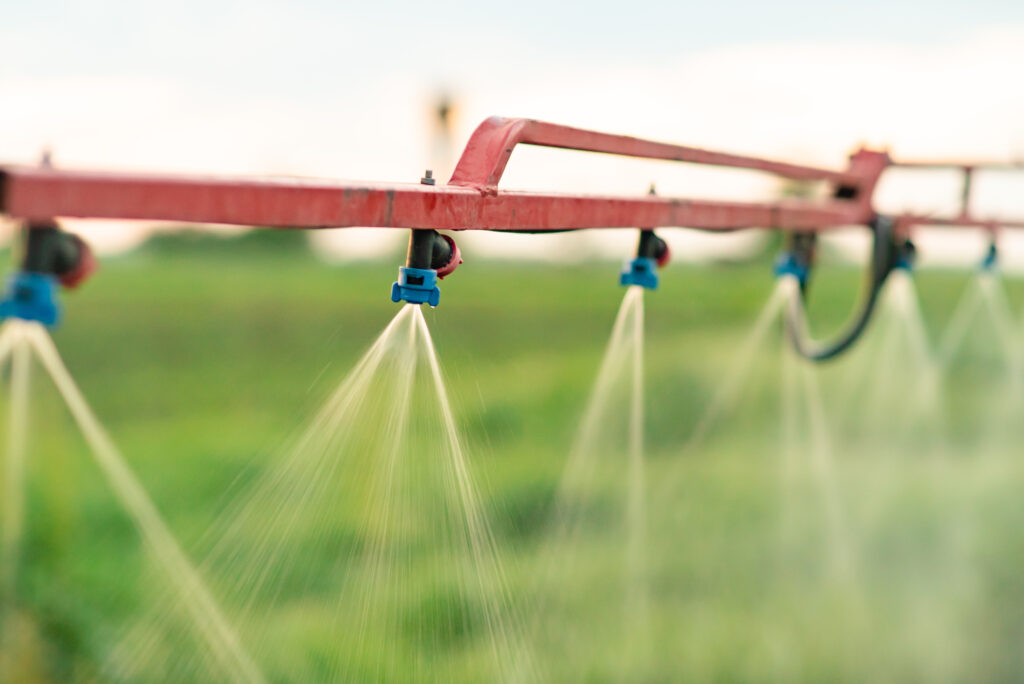
Pesticide production involves complex formulations of various chemicals. These components and their reactions are pH-dependent.
Sample Conditioning: A Brief Overview
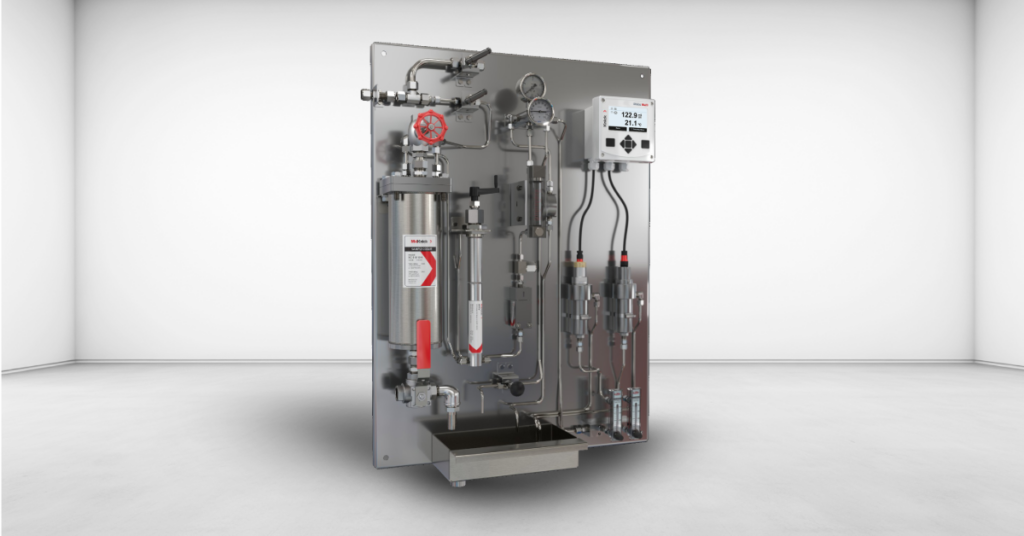
Sample conditioning is crucial in many industries where precise measurements are essential for process control, quality assurance, and safety compliance.