Industries like water treatment, power generation, oil & gas, chemical processing, pharmaceuticals, and food & beverage operate in highly regulated environments where process reliability, environmental compliance, and product quality are closely scrutinized. These regulatory standards are enforced via recurring audits. Auditing bodies range from municipal and environmental organizations, internal quality assurance teams, to third-party certification committees.
Failing any sort of audit, whether procedural, environmental, or otherwise, can lead to serious financial and operational consequences. Because of this, manufacturers must continuously maintain the documentation, processes, and measurement systems needed to pass an audit at any time.
Choosing Reliable Instrumentation
Obviously, the first thing all operations require, no matter the industry, is robust instrumentation. With measurement technologies and the data they provide playing such a critical roll in audits and reviews, it is essential that they be trustworthy and accurate.
If sensors frequently drift, produce inconsistent readings, or experience unexplained failures, it raises immediate concerns about the integrity of the facility’s monitoring systems. In industries like water treatment, power generation, and oil & gas, regulators expect facilities to demonstrate that critical parameters such as pH, conductivity, and dissolved oxygen are being measured accurately and consistently.
Predictive Diagnostics and Maintenance
Predictive maintenance helps identify problems before failures occur. Having foresight on parameters like drift, glass impedance, and general wear allows operators to plan accordingly for replacements. Incorporating predictive maintenance as a routine aspect of operations vastly minimizes the downtime seen when working on a reactive maintenance basis.
Knick Transmitters like the Stratos Multi and the Portavo Portable meter feature a real-time diagnostic menu that keeps track of these important parameters. With this feature, replacements don’t need to be a waiting game. This grants operators proactive insight into their measurement needs while minimizing downtime.
Maintain Calibration Records
During an audit, inspectors often want to verify that critical measurements are accurate, traceable, and performed according to documented procedures. A thorough calibration log demonstrates that technicians test, adjust when necessary, and verify sensors on a regular basis.
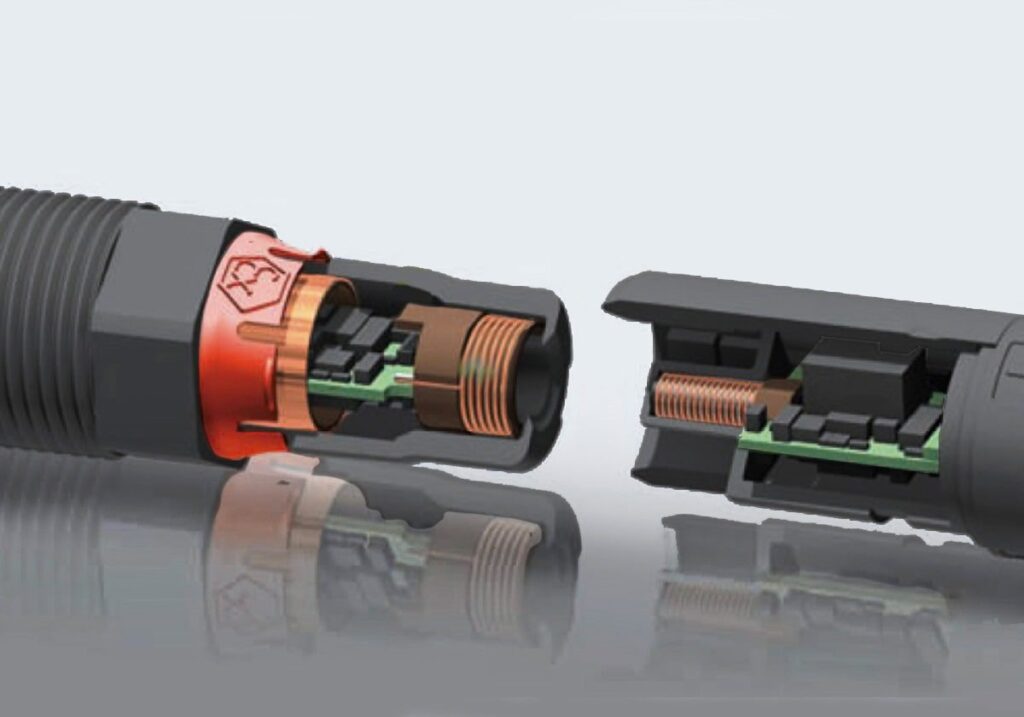
Keeping an inventory of pre-calibrated sensors further strengthens audit preparedness by ensuring measurement reliability, even when technicians perform routine maintenance or replace sensors unexpectedly. Memosens sensors store calibration data in the sensor head. This not only minimizes process downtime but also helps maintain consistency across measurement points.
Conduct Internal Audit Reviews
Internal audits also provide an opportunity to verify that critical measurement systems and instrumentation are performing as intended. Regular internal reviews are a proactive method to uncover overdue calibrations, inconsistent procedures, and other necessary practices that are subject to external audits.
Internal reviews encourage collaboration between operations, maintenance, quality, and engineering teams, helping to establish standardized processes and accountability. Reconvening these separate teams to realign themselves on their common goals helps with audit preparedness, plant efficiency, and productivity.
Staying Audit Ready With Memosens
Memosens technology is imbued with functions that help operations remain audit ready at all times. Calibration data storage, predictive maintenance functions, and real-time diagnostics are all engineered for operations to stay within compliance, no matter the industry.
For more information on how Memosens technology can help prepare your facility for your next audit, or any of M4 Knick’s solutions, contact one of our experts.