

What Happens When a pH Sensor Dries Out? (And How to Fix It)
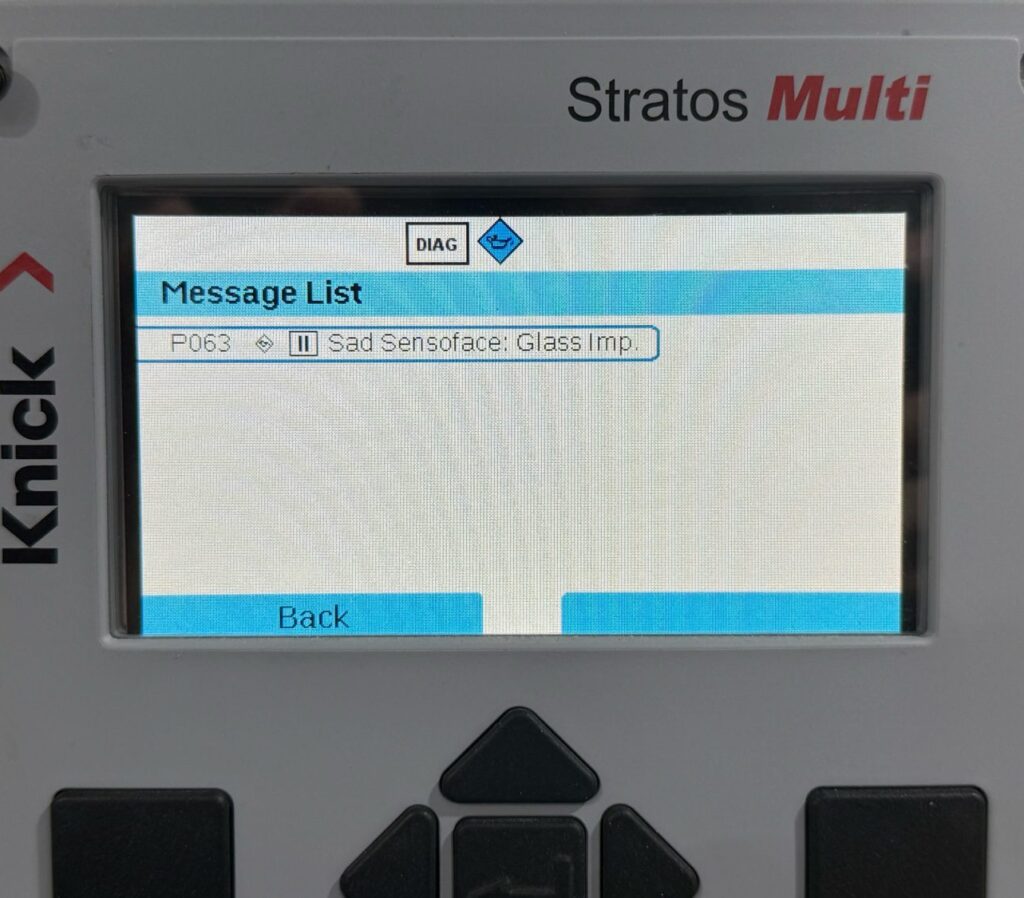
For glass electrodes, possibly the most important need for long-term sensor health is the hydration of the sensor bulb.
From Beers to Beakers: A Brief History of pH
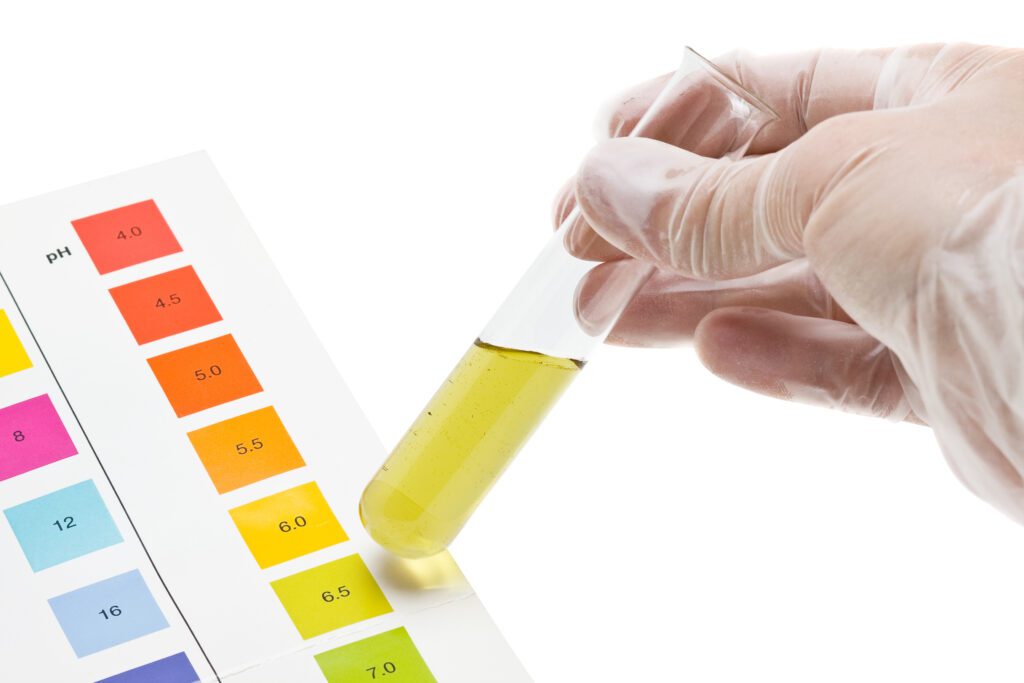
In this little history lesson, we’ll skim through the origins of pH from its conceptual birth all the way to its impact on the modern industrial world.
Automating pH Control in Plasma Fractionation
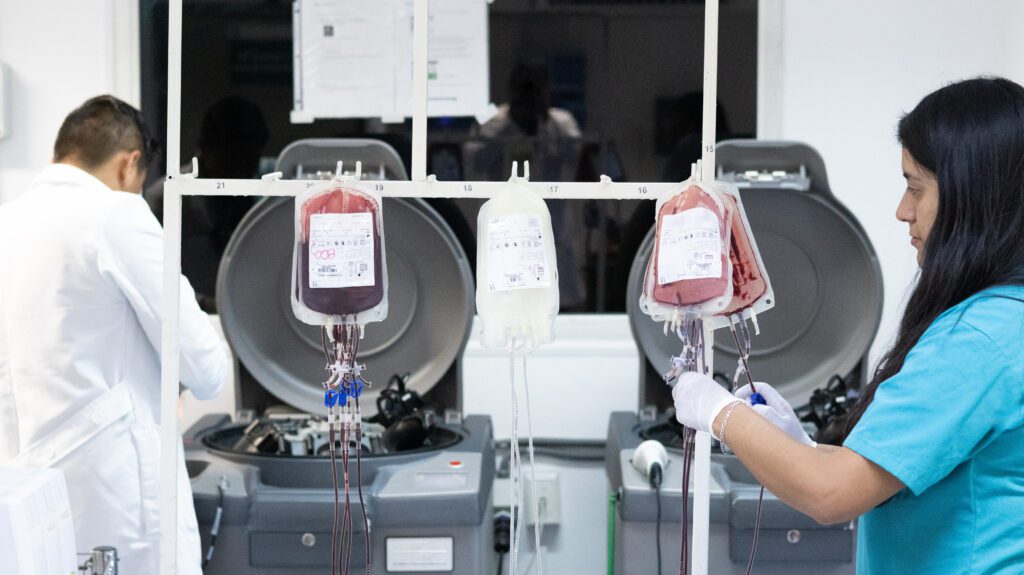
Plasma fractionation plays a critical role in medicine and demands unmatched accuracy, and pH control is one of the most crucial factors for its success.
The Essential pH Calibration Checklist
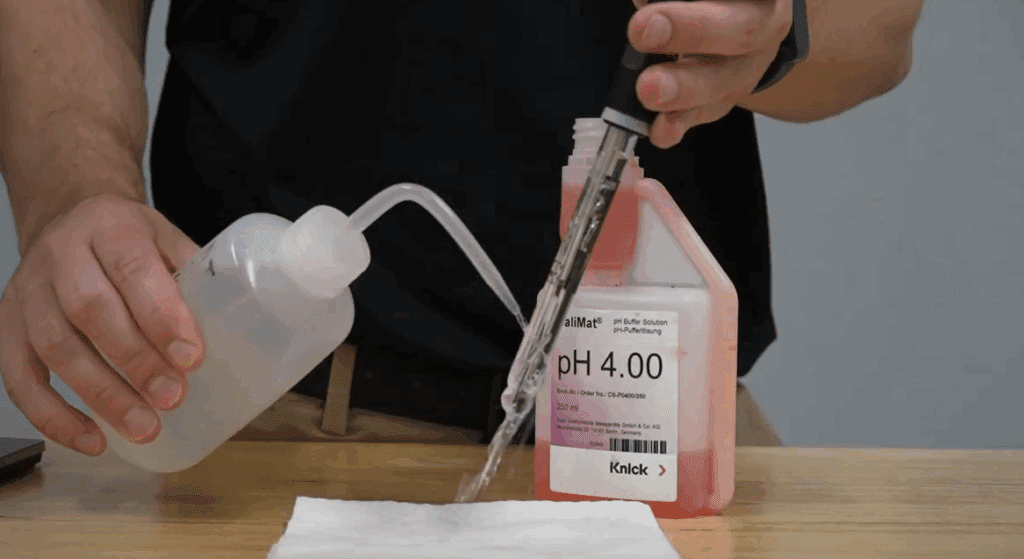
Accurate pH readings are critical in any manufacturing process, and it all starts with a properly calibrated sensor.
Automating Buffer Preparation for the Pharmaceutical Industry
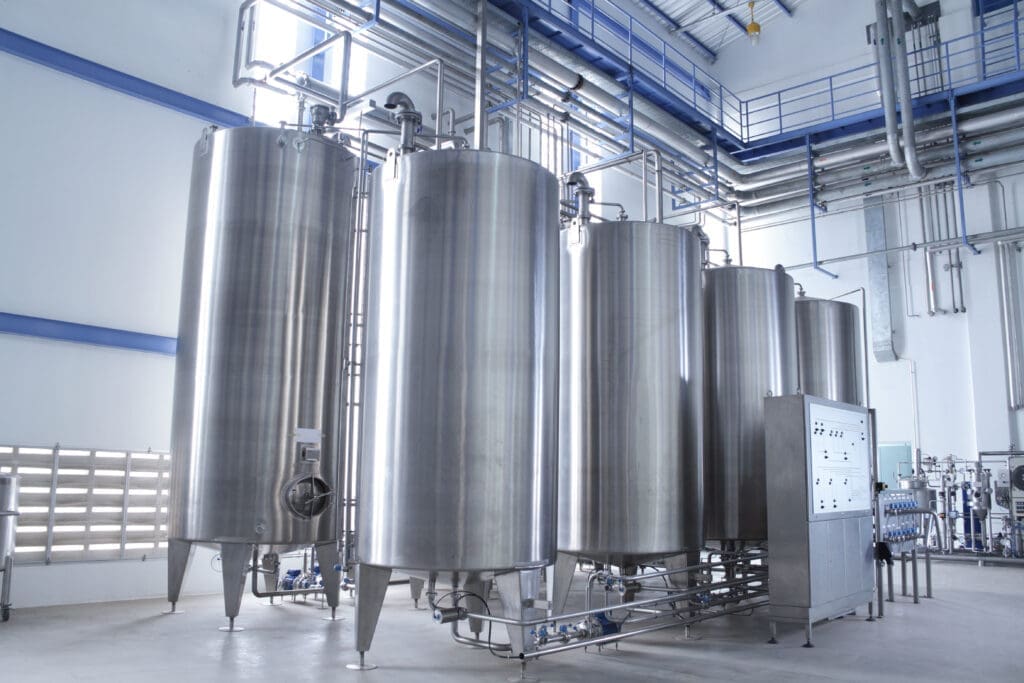
As with any bio-tech process, the margin for error in buffer preparation is scarce. Improper pH levels can dilute the extracted molecule and decrease process yield.
Understanding the Relationship Between pH and Conductivity
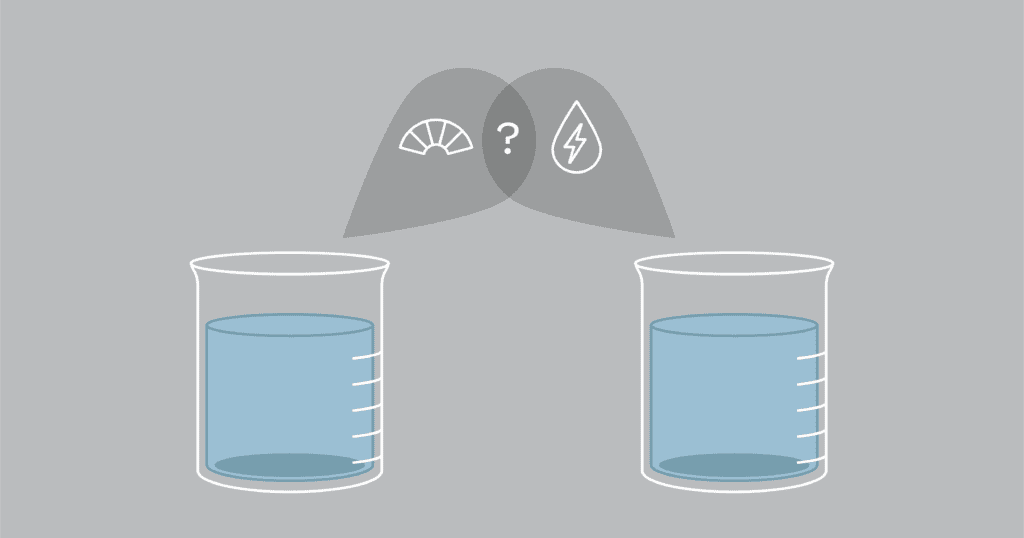
Though the two parameters do not inherently influence each other, their correlation arises from the influence of free-flowing ions on both.
The Real ROI with Knick Memosens pH Sensors

Our sensors have proven repeatedly to last longer than others and to succeed in applications where others have failed.
Five Things to Avoid When Calibrating a pH Sensor
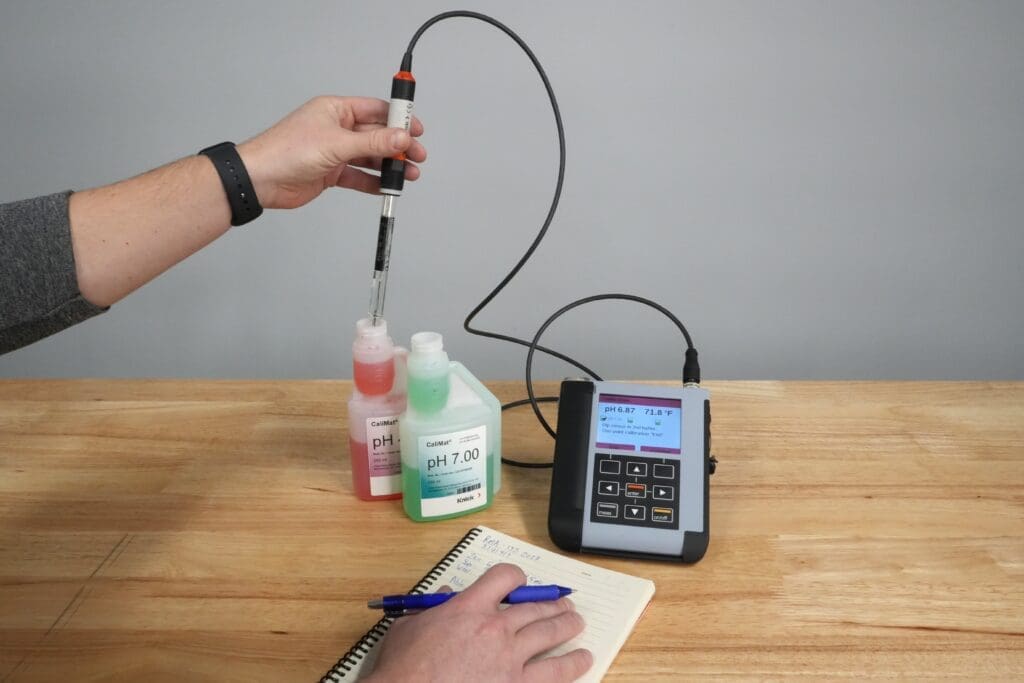
During the calibration procedure, there are several key moments that require careful consideration to ensure you maintain the utmost accuracy.
Characterizing pH Membrane Glass Types
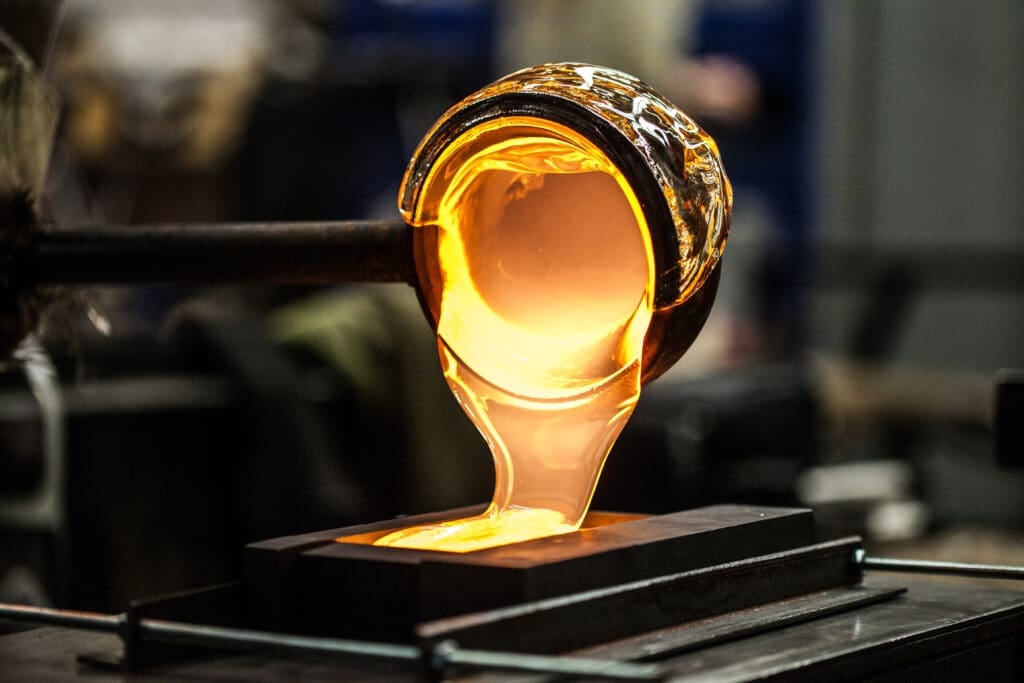
Various types of pH sensor glass are designed to optimize performance in different applications, environments, and sample types.
Monitoring pH & Conductivity in Wafer Polishing
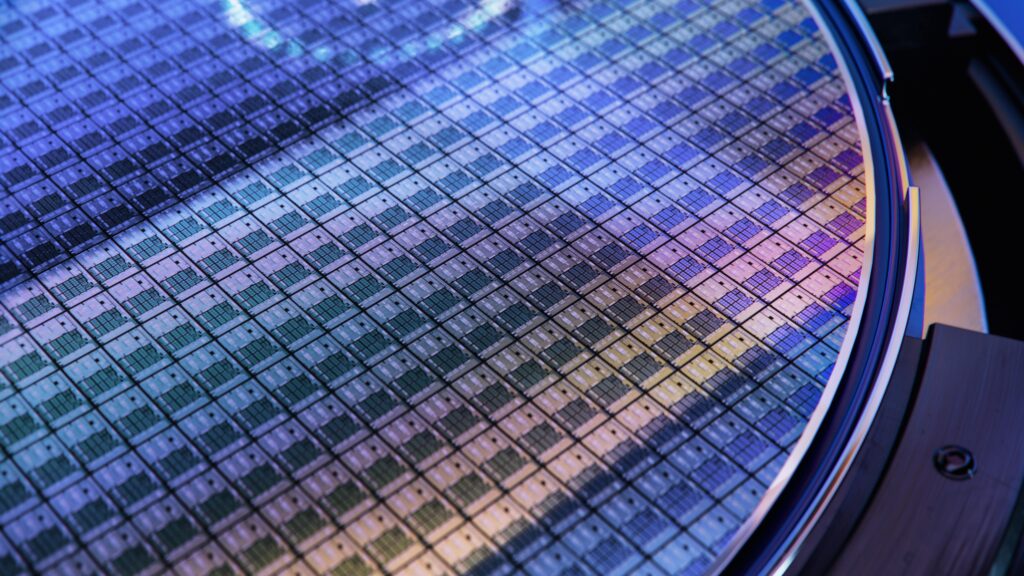
Maintaining stable pH and conductivity values is critical in the semiconductor industry, particularly in wafer polishing.