

Four Reasons Traditional Sensors Are Replaced or Fail Prematurely

Sensors fail for plenty of reasons. What’s more frustrating is when a relatively new sensor appears to fail without an obvious explanation.
Analog vs. Digital Sensors: Improving Data Integrity and Accuracy
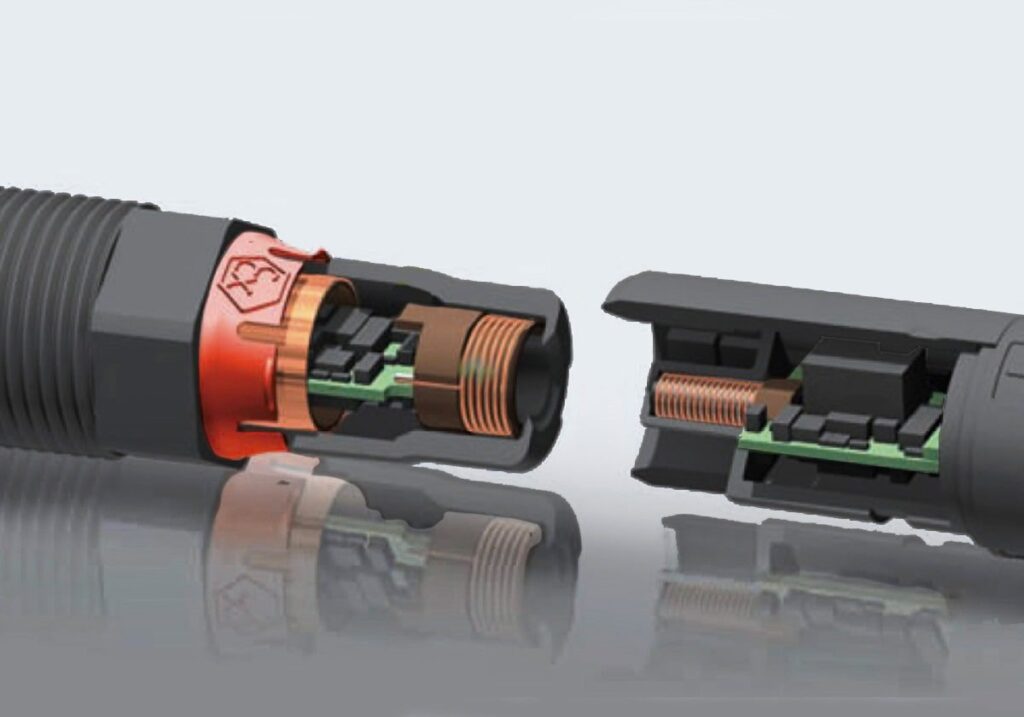
Making the switch to digital sensors is about more than upgrading technology. It’s an investment in maximizing uptime and operational efficiency
Exploring the Food & Beverage Industry: Challenges and Solutions

Industrial food and beverage manufacturing operates under some of the most stringent quality, safety, and regulatory standards in modern industry.
pH and Dissolved Oxygen in Primary, Secondary, and Tertiary Water Treatment

Maintaining the integrity of treatment infrastructure and micro-organic environments demands robust, durable, and accurate sensors.
Process Control Through pH in Leaching

Accurate pH measurement helps operators run leaching efficiently. It protects assets and ensures consistent product quality.
Sustainability Through pH and Conductivity in Steel Mill Effluent

In steel mills, improperly treated water isn’t just wasteful; it risks corroding equipment, failing audits, and triggering shutdowns
Scrubbers: pH and Environmental Compliance
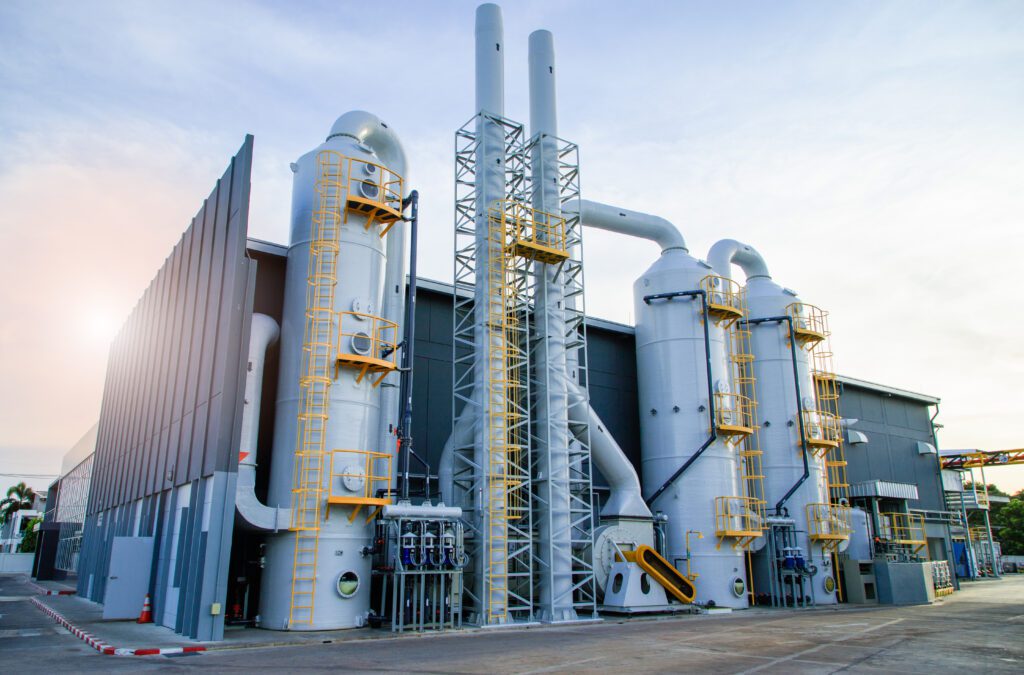
pH measurements in scrubber systems are impactful to the environment of the area, the safety of the workforce, and the process itself.
pH and Dissolved Oxygen in Insulin Production

Manufacturing insulin is a carefully controlled biotechnological process that combines genetic engineering, fermentation, and protein purification.
Smart Consolidation in Steam Water Analysis Systems

A SWAS system acts like the early warning system for a steam cycle in power plants, and pH and conductivity are its most critical measurement points.
Enhancing HF Alky Unit Safety With pH Monitoring

In cases where HF Alky unit operators previously checked for leaks manually, they can now use accurate digital pH sensors to detect spiking pH levels from a safe environment.