It’s a situation most technicians and engineers have run into at some point. The sensor checks out in buffers. The transmitter looks fine. But once it’s installed, the measurement drifts or becomes unstable. In many cases, the sensor isn’t the problem—it’s ground loop interference.
The effects of ground interference can be subtle or severe, depending on the magnitude of the ground potential difference and the sensitivity of the measurement system. In some cases, it may manifest as slow drift, making calibration difficult to maintain. In more extreme cases, the readings may become erratic or completely unreliable, potentially leading to incorrect process control decisions.
What Is Ground Loop Interference?
Ground loop interference occurs when there are multiple electrical paths to ground, creating unintended current flow. That extra current interferes with the signal your sensor is trying to send.
The result?
The measurement still looks valid—but it’s no longer accurate.
How to Recognize Ground Loop Interference
Ground loop interference doesn’t usually trigger alarms or cause obvious failures. Instead, it shows up as subtle inconsistencies in your measurement.
Common signs include:
- A sensor that calibrates correctly but reads inaccurately in process
- Unstable or drifting measurements after installation
- Inconsistent readings between similar measurement points
If everything checks out during calibration but not during operation, ground loop interference is often the cause.
Why Ground Loop Interference Matters
Because interference can be subtle, it’s easy to overlook—but the impact adds up quickly.
Even small signal disruptions can:
- Affect process control decisions
- Lead to unnecessary chemical adjustments
- Create inconsistency across batches or systems
This often causes what appears to be a process issue, creating a signal integrity problem.
What Causes Ground Loop Interference?
Interference is typically the result of how systems are installed and how electrical paths interact.
Common causes include:
- Multiple grounding points creating competing current paths
- Shared grounding conductors introducing noise from other devices
- Mismatched impedance leading to unstable signals
- Electrical interference from nearby equipment like motors or VFDs
These issues may not be obvious during installation—but they quickly affect performance.
How to Prevent Ground Loop Interference
Traditional analog systems are vulnerable to ground loop interference because they rely on direct electrical connections between the sensor and transmitter.
Memosens technology eliminates this risk.
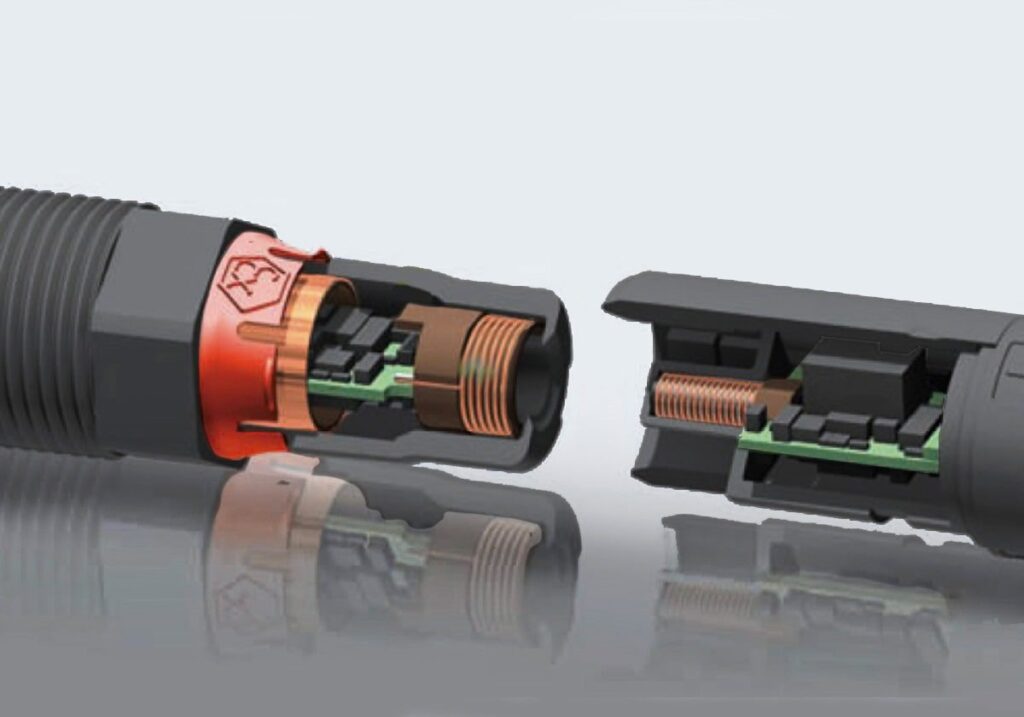
By using a digital signal and inductive, contactless connection, Memosens removes the physical electrical path where interference occurs. Measurement data is stored directly in the sensor head and transmitted without distortion.
Without a direct electrical connection, interference is eliminated, helping ensure stable and reliable measurements.
Fix the Signal, Fix the Process
Interference is easy to miss and difficult to diagnose, but it can significantly impact process performance. Solving the issue isn’t about chasing symptoms—it’s about removing the conditions that allow interference to exist in the first place. With the right technology in place, your measurement reflects what’s actually happening in your process—not electrical noise.
If you’re troubleshooting inconsistent measurements, it may not be your sensor. For more insight on digital sensing technology and how to optimize your process, consider scheduling a training. Our experts are committed to maximizing your process uptime and measurement accuracy.