

Four Methods to Reduce Maintenance Time
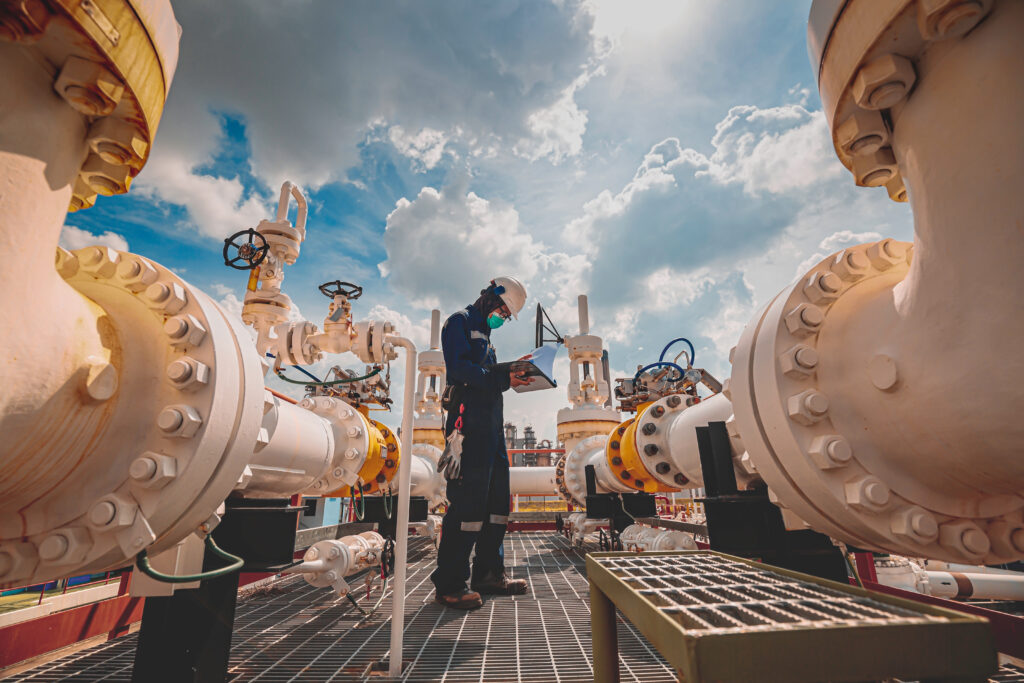
Maintenance will always stop production now and then, but operations can do more to minimize that downtime than it might seem.
Four Reasons Traditional Sensors Are Replaced or Fail Prematurely

Sensors fail for plenty of reasons. What’s more frustrating is when a relatively new sensor appears to fail without an obvious explanation.
Analog vs. Digital Sensors: Improving Data Integrity and Accuracy
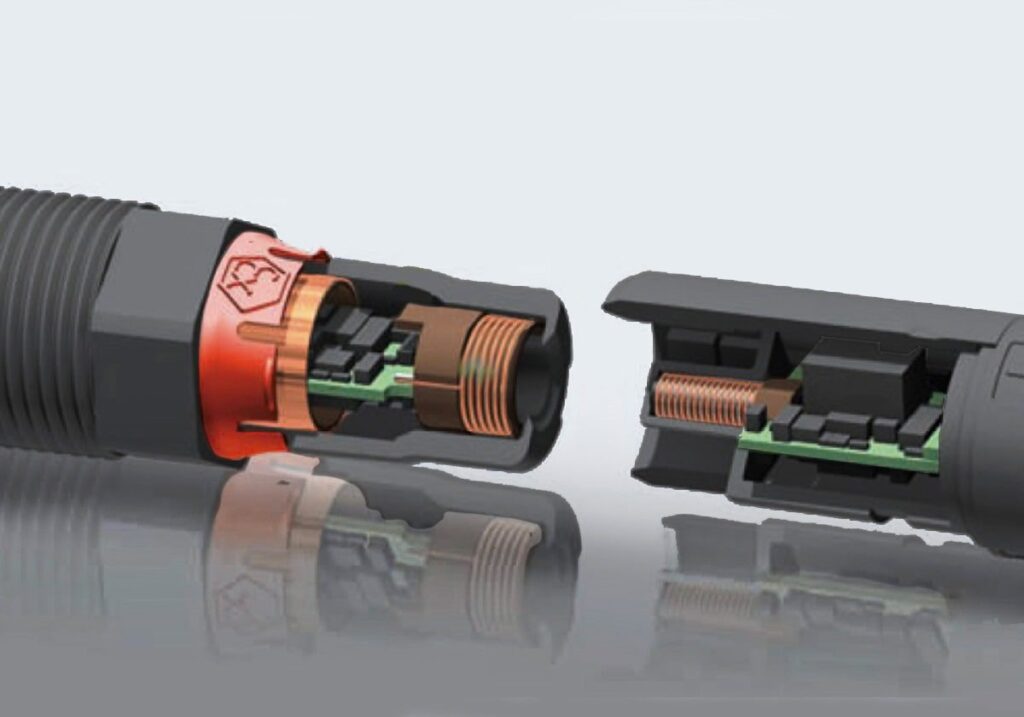
Making the switch to digital sensors is about more than upgrading technology. It’s an investment in maximizing uptime and operational efficiency
Improving CIP Performance with Reliable Conductivity Measurements
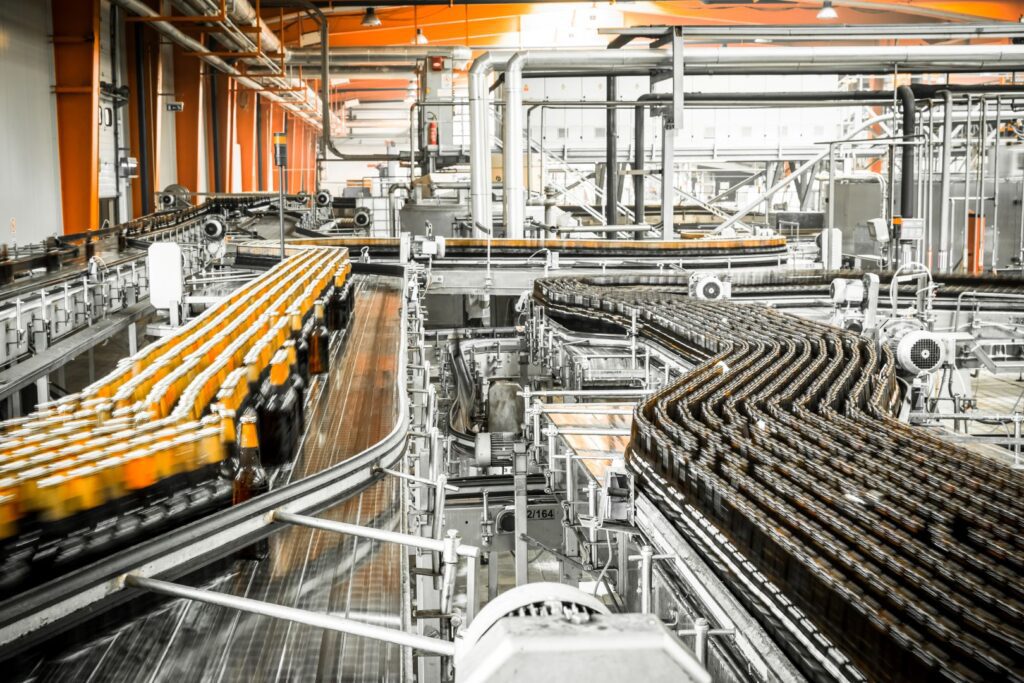
Reliable conductivity measurements help operators verify each CIP cycle with confidence while keeping turnaround times short.
Exploring the Food & Beverage Industry: Challenges and Solutions
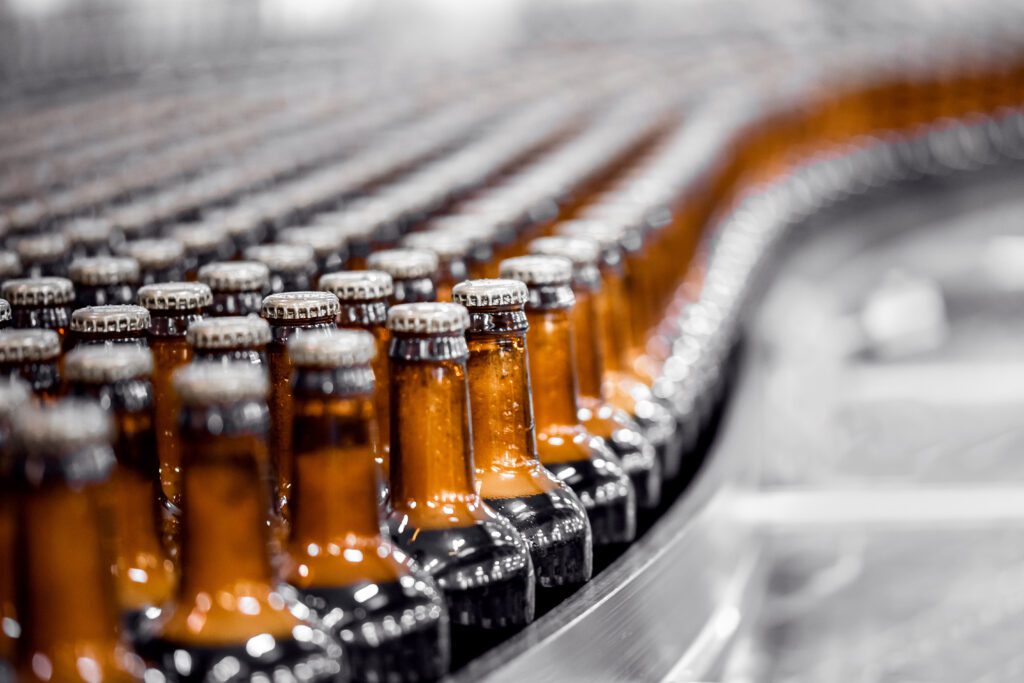
Industrial food and beverage manufacturing operates under some of the most stringent quality, safety, and regulatory standards in modern industry.
Four Tips to Remain Audit-Ready

Remaining audit-ready, whether procedural, environmental, or otherwise, helps manufacturers avoid serious financial and operational consequences.
What Makes a Sensor Plug & Play?
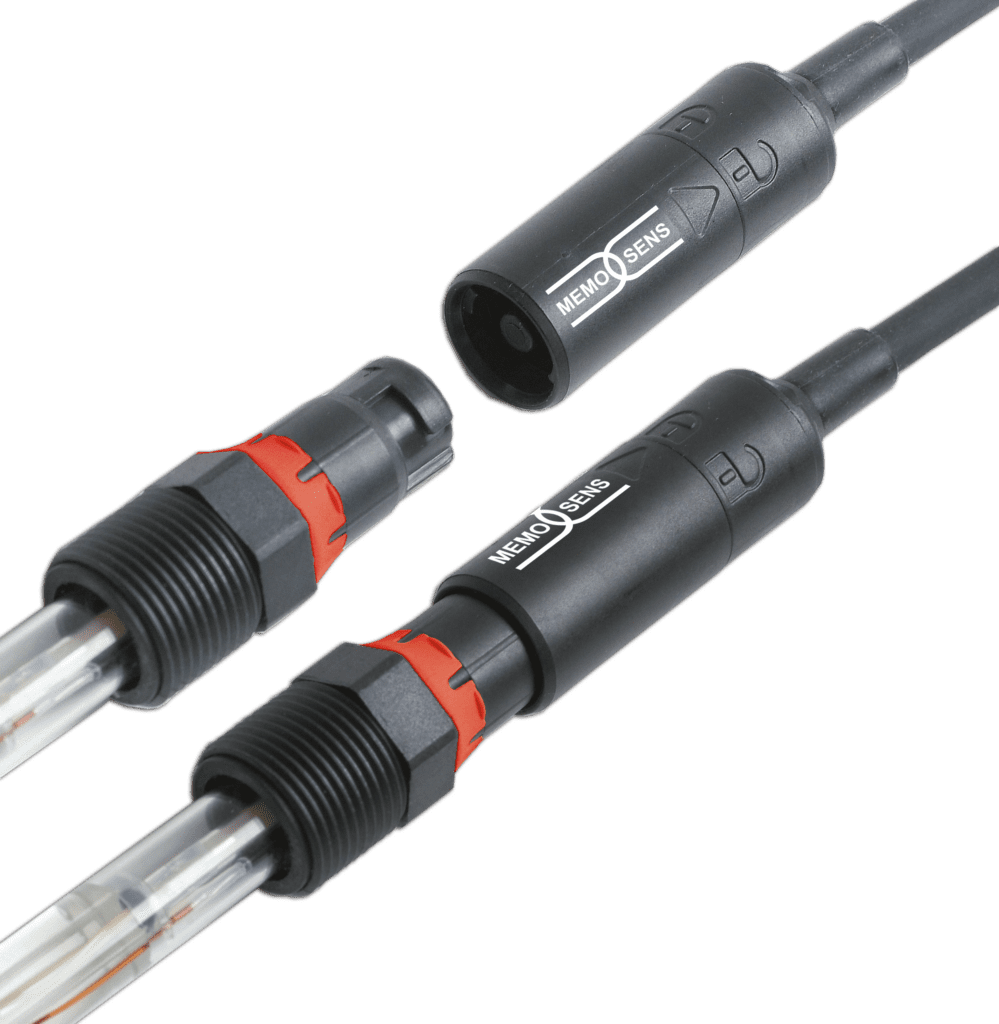
Memosens creates a streamlined plug-and-play experience for operators and maintenance teams, helping reduce startup time and simplify sensor replacement.
pH and Dissolved Oxygen in Primary, Secondary, and Tertiary Water Treatment

Maintaining the integrity of treatment infrastructure and micro-organic environments demands robust, durable, and accurate sensors.
Five Questions to Ask Before Choosing Memosens

Digital Memosens sensors significantly simplify integration with control systems by converting analog signals into robust digital data at the sensor head.
Ground Loop Interference: The Hidden Cause of Measurement Errors
The effects of ground interference can be subtle or severe, depending on the magnitude of the ground potential difference and the sensitivity of the measurement system.