

Four Reasons Traditional Sensors Are Replaced or Fail Prematurely

Sensors fail for plenty of reasons. What’s more frustrating is when a relatively new sensor appears to fail without an obvious explanation.
Analog vs. Digital Sensors: Improving Data Integrity and Accuracy
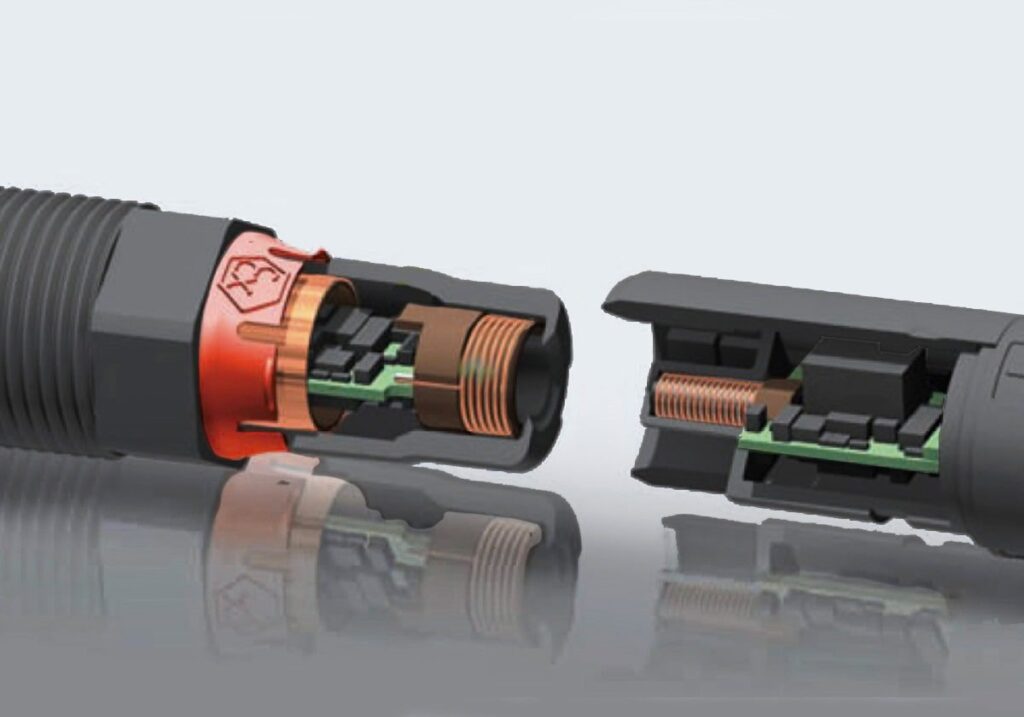
Making the switch to digital sensors is about more than upgrading technology. It’s an investment in maximizing uptime and operational efficiency
Improving CIP Performance with Reliable Conductivity Measurements
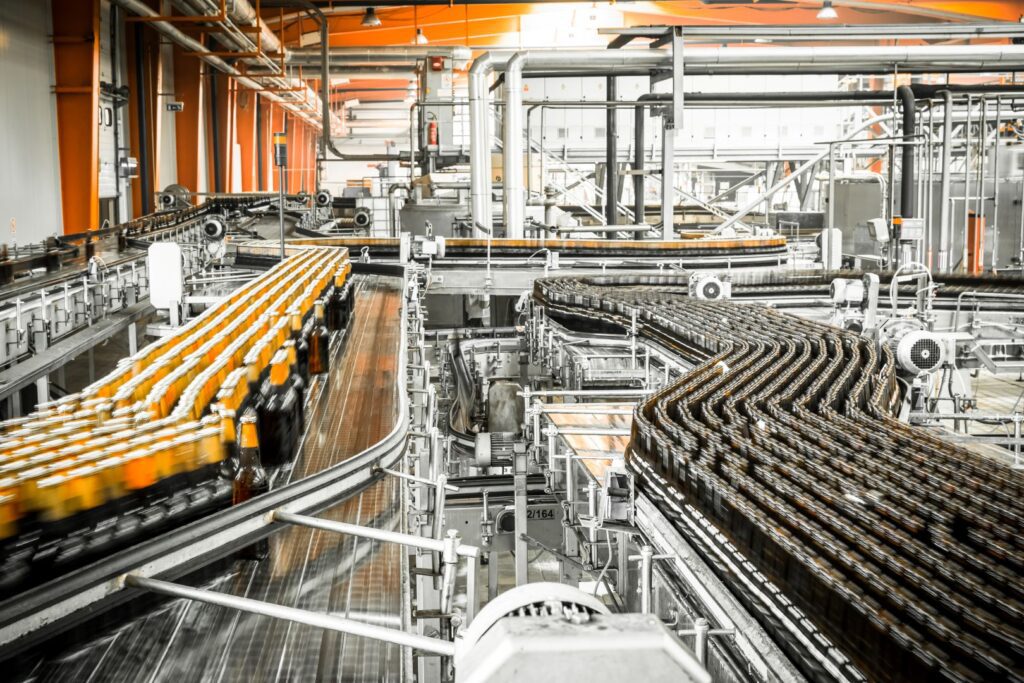
Reliable conductivity measurements help operators verify each CIP cycle with confidence while keeping turnaround times short.
Exploring the Food & Beverage Industry: Challenges and Solutions
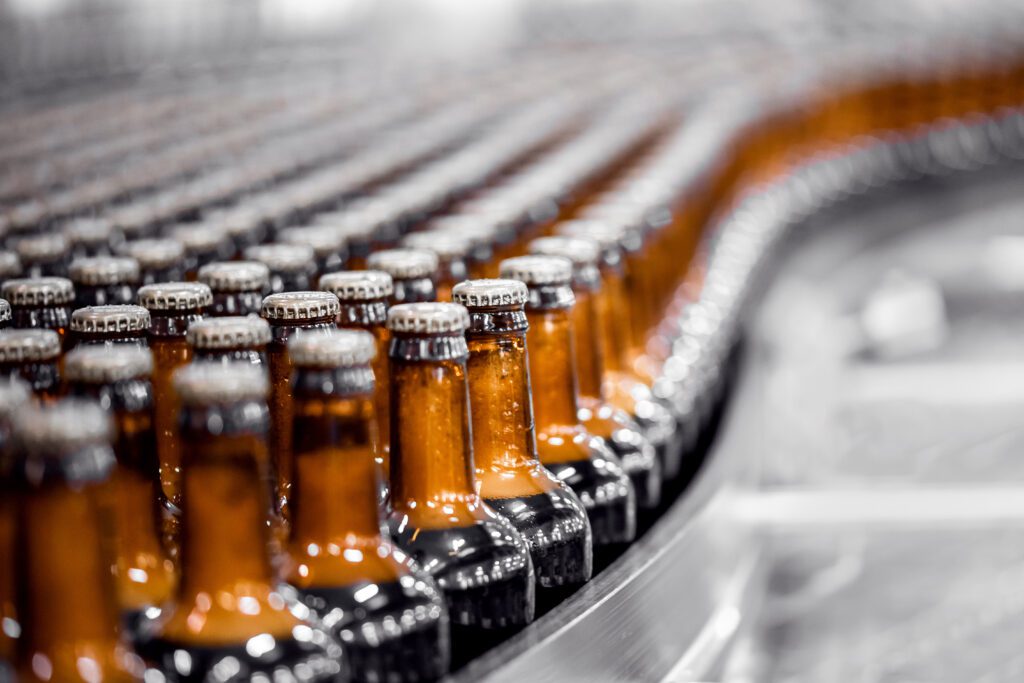
Industrial food and beverage manufacturing operates under some of the most stringent quality, safety, and regulatory standards in modern industry.
Cation and Specific Conductivity in Power Generation

Specific and cation conductivity are used to monitor contaminant levels in high-purity streams such as boiler feedwater and steam condensate.
Sustainability Through pH and Conductivity in Steel Mill Effluent

In steel mills, improperly treated water isn’t just wasteful; it risks corroding equipment, failing audits, and triggering shutdowns
Smart Consolidation in Steam Water Analysis Systems

A SWAS system acts like the early warning system for a steam cycle in power plants, and pH and conductivity are its most critical measurement points.
Cell Constant: What It Is & Why It Matters
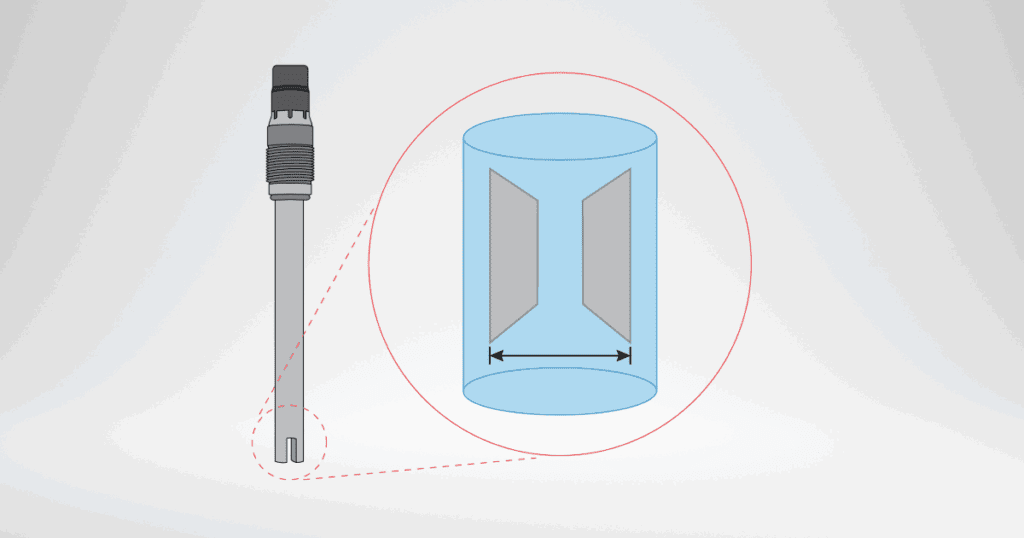
The cell constant is the link between a conductivity sensor’s physical design and its ability to deliver accurate measurements.
Introducing CondCheck for the SE605H Conductivity Sensor
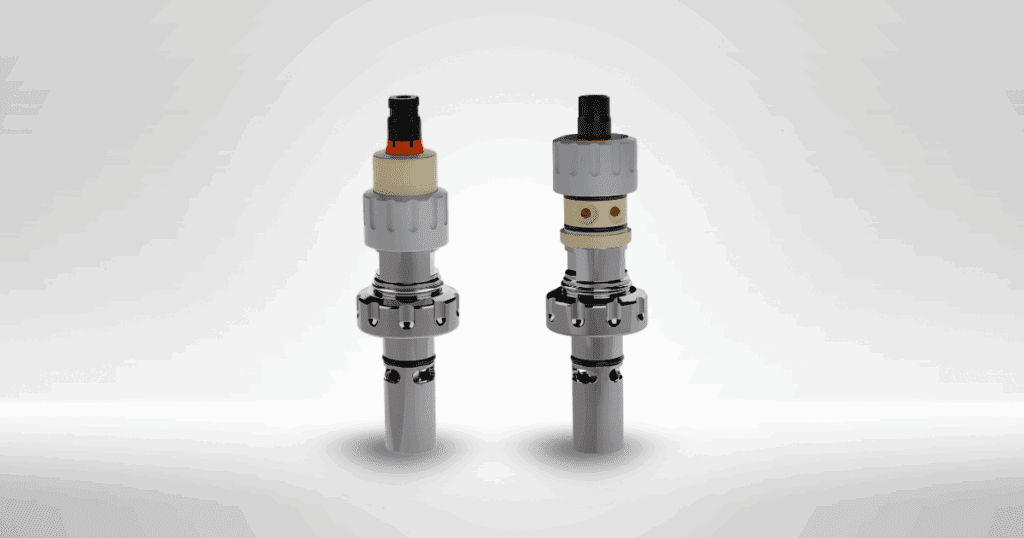
The trusted SE605H Conductivity Sensor from Knick—already proven in pharmaceutical and biotech applications—now features the optional CondCheck verification function.
Understanding the Relationship Between pH and Conductivity
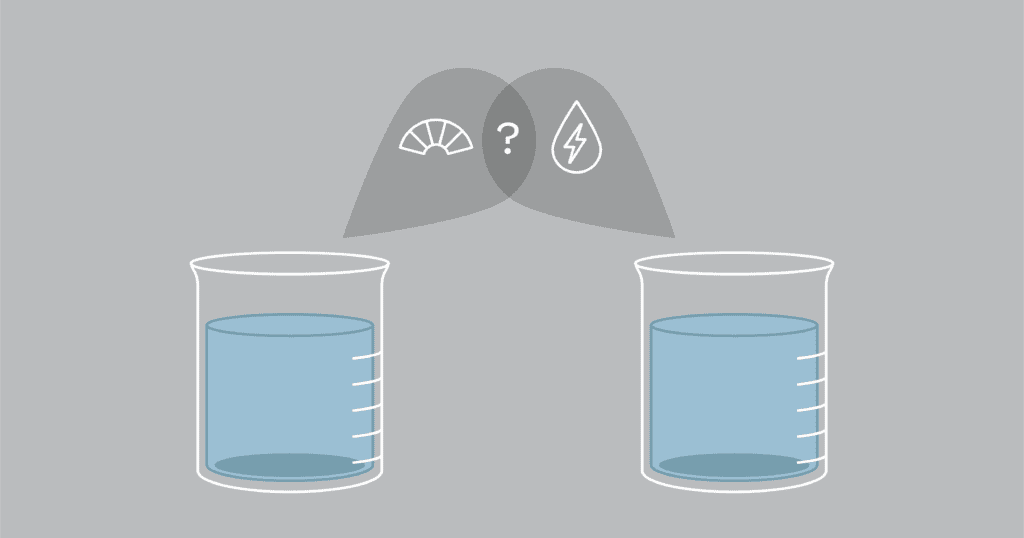
Though the two parameters do not inherently influence each other, their correlation arises from the influence of free-flowing ions on both.